Learn proven methods to restore shine to dull commercial floors without full stripping. Save 40-60% with scrub and recoat, spray buffing, and burnishing.
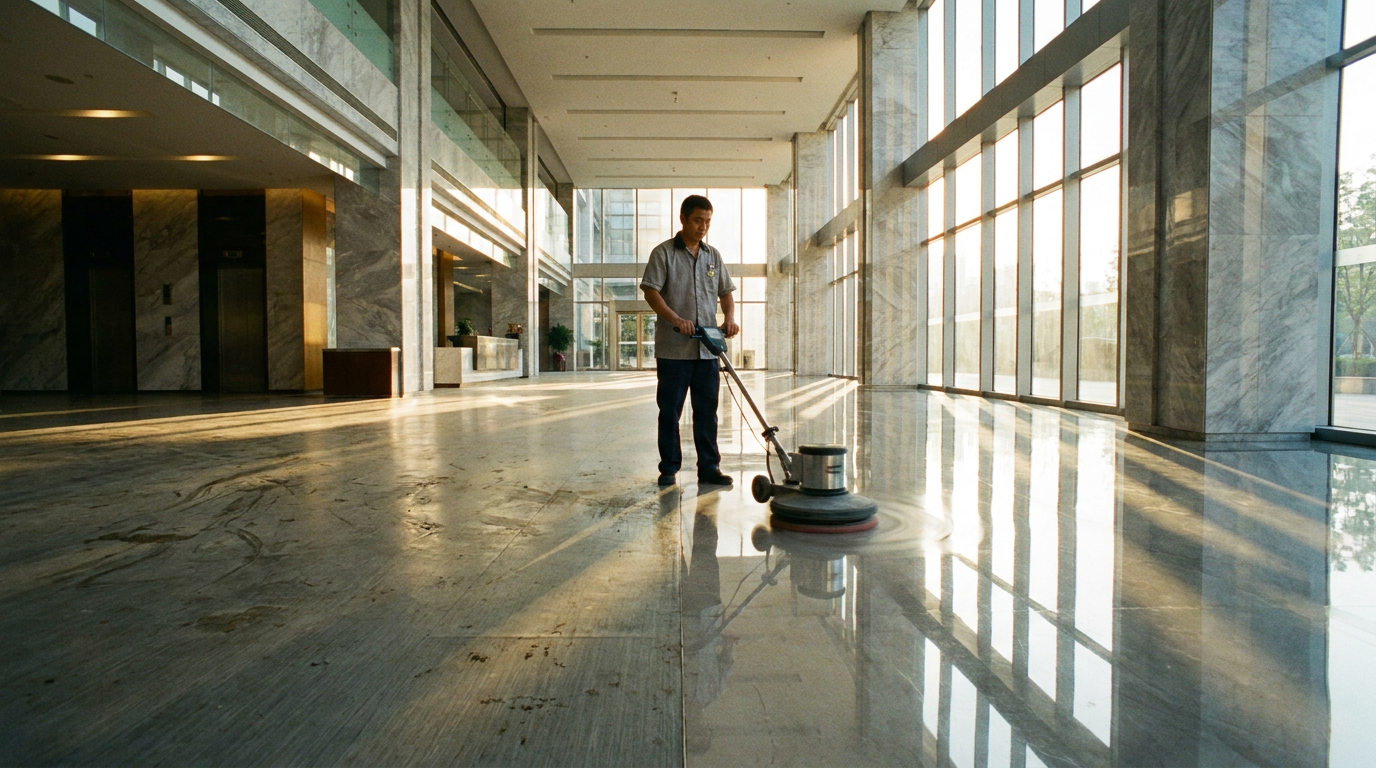
Dull commercial floors can regain their shine through scrub and recoat services, spray buffing, or high-speed burnishing, all of which cost 40 to 60 percent less than full stripping. These methods remove surface soil and worn finish layers while preserving the intact base coats underneath, reducing downtime from 24 to 48 hours to as little as 2 to 4 hours.
- Scrub and recoat costs $0.35 to $0.55 per square foot versus $0.85 to $1.20 for full stripping
- Spray buffing restores gloss in 15 to 30 minutes per 1,000 square feet with light foot traffic safe immediately
- High-speed burnishing at 1,500 to 2,500 RPM generates heat that re-glosses existing finish without chemicals
- Most facilities can extend full strip cycles from 6 months to 12 to 18 months using these maintenance methods
- Floor condition assessment determines which method works best: surface dullness versus deep yellowing requires different approaches
Why Commercial Floors Lose Their Shine
Commercial floor finish degrades through three primary mechanisms: mechanical abrasion from foot traffic, chemical breakdown from cleaning products, and embedded soil accumulation. According to the floor care specialists at Okum Supply, VCT floors in high-traffic commercial settings can lose 10 to 15 percent of their gloss level within the first 30 days after waxing.
South Florida facilities face additional challenges. Humidity levels averaging 75 to 85 percent year-round slow floor finish curing times and can cause hazing. Sand and grit tracked in from exterior areas acts as fine abrasive, scratching finish surfaces with every footstep. UV exposure through windows accelerates yellowing in acrylic-based floor finishes.
The good news is that surface-level dullness responds well to maintenance restoration methods. Only floors with deep scratches penetrating to bare tile, heavy yellowing throughout all finish layers, or significant wax buildup in corners and edges require complete stripping.
Three Methods to Restore Floor Shine Without Stripping
Facility managers have three proven options for restoring shine to dull floors: scrub and recoat, spray buffing, and high-speed burnishing. Each method addresses different levels of floor degradation and offers distinct advantages for specific facility types.
Scrub and Recoat: The Most Comprehensive Option
Scrub and recoat, also called top scrub or scrub and wax, removes the top 1 to 2 layers of worn finish while preserving the 3 to 5 base coats underneath. The process uses a low-speed floor machine operating at 175 to 350 RPM with a red or blue scrubbing pad and diluted floor finish remover or neutral cleaner.
After scrubbing, technicians vacuum or mop the slurry, neutralize the floor with clean water, allow proper dry time of 20 to 30 minutes, then apply 1 to 2 fresh coats of commercial floor finish. The entire process takes 4 to 6 hours for a typical 5,000 square foot office space, with light foot traffic safe within 30 to 60 minutes of the final coat.
Commercial floor scrubbing and waxing costs $0.35 to $0.55 per square foot in South Florida, compared to $0.85 to $1.20 per square foot for full stripping. This represents savings of 40 to 60 percent while achieving 85 to 95 percent of the gloss restoration a full strip provides.
Spray Buffing: Quick Gloss Restoration
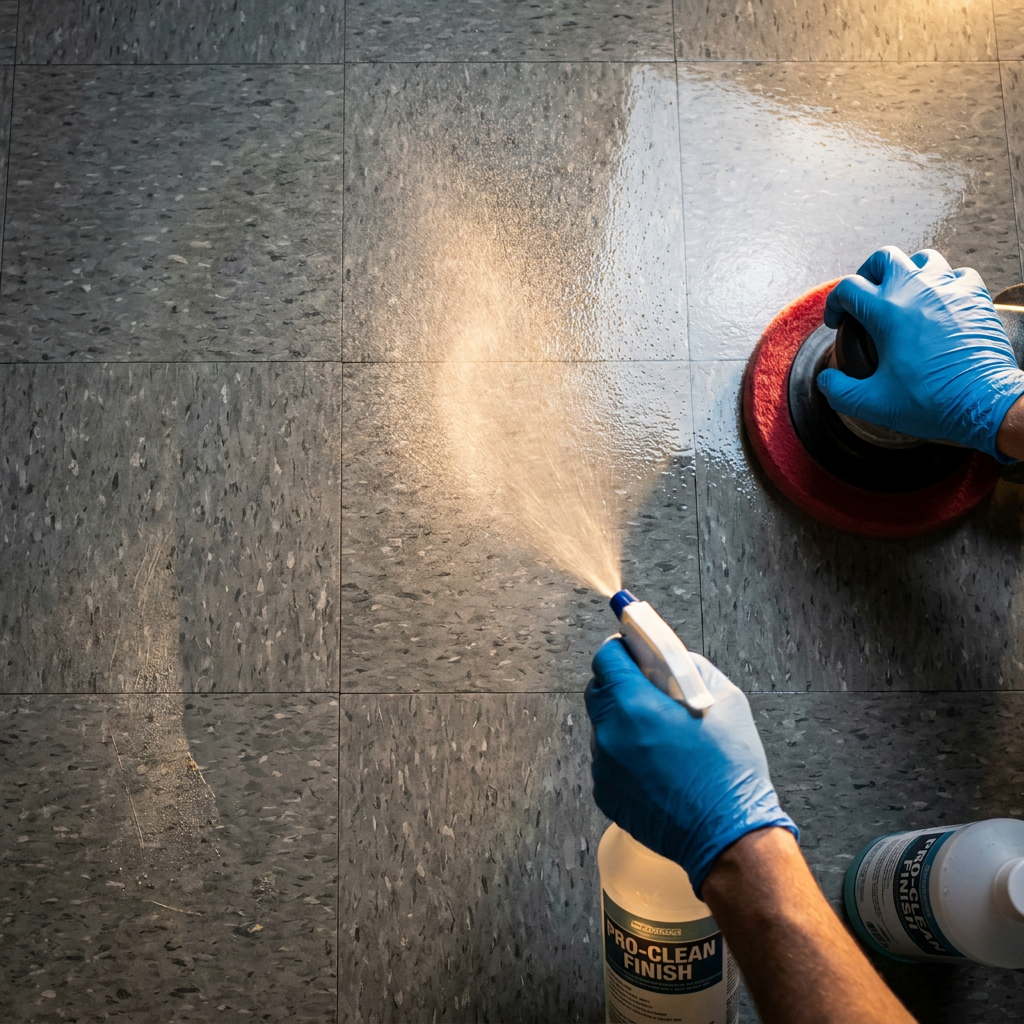
Spray buffing combines a light misting of spray buff solution with a high-speed floor machine operating at 1,000 to 1,500 RPM. The solution contains a small amount of floor finish, cleaning agents, and leveling compounds that fill micro-scratches and restore surface gloss.
A trained technician can spray buff 1,000 square feet in 15 to 30 minutes. The floor is ready for immediate foot traffic, making this method ideal for retail stores, medical offices, and other facilities that cannot close for extended periods. Spray buffing works best on floors with light surface scratches and minor dullness but intact underlying finish.
The limitation of spray buffing is that it adds very thin layers of finish, typically 0.5 mils per application compared to 2 to 3 mils for a standard wax coat. Facilities relying solely on spray buffing may need service weekly or bi-weekly to maintain acceptable appearance.
High-Speed Burnishing: Heat-Based Restoration
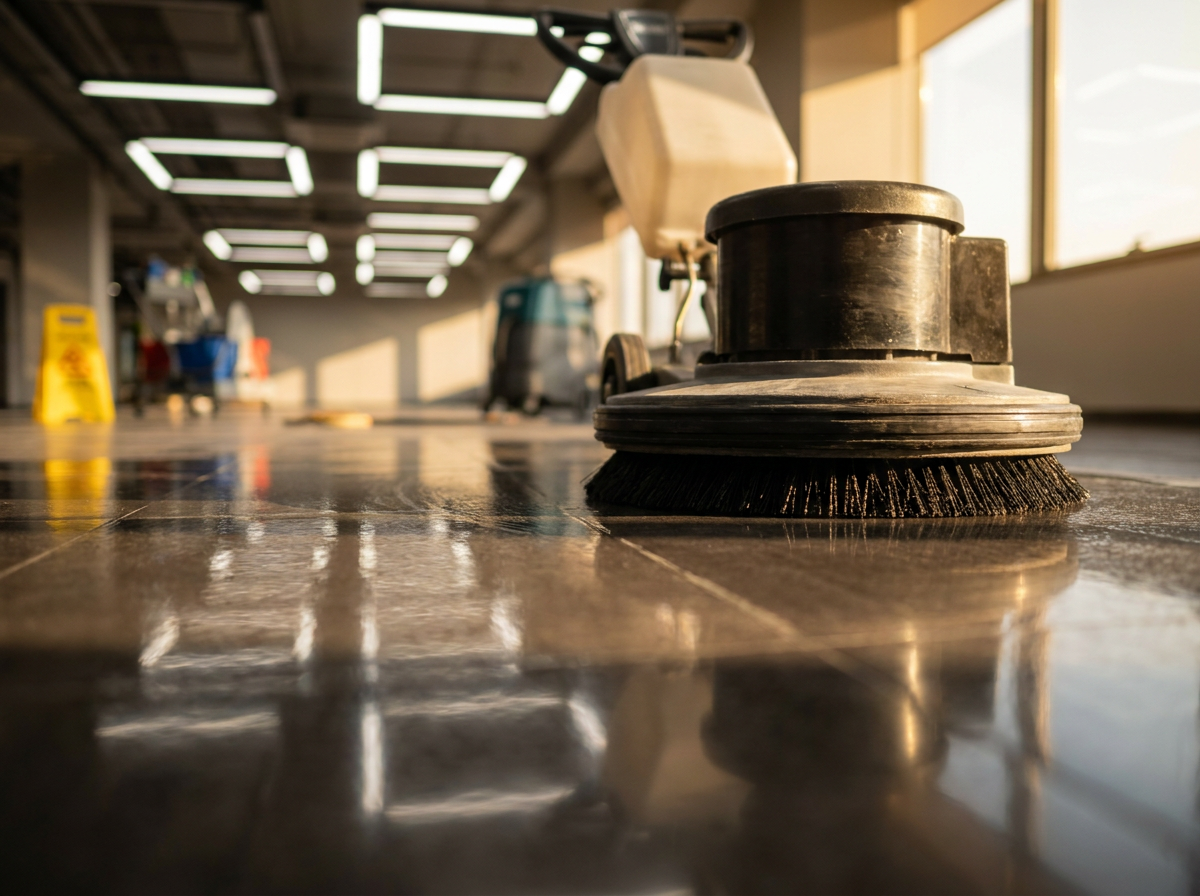
High-speed burnishing uses propane or electric floor machines operating at 1,500 to 2,500 RPM with specialized burnishing pads. The friction generates heat that softens the top layer of floor finish, allowing it to re-level and restore gloss without adding any product.
Burnishing works exceptionally well on floors with thermoplastic finishes, which include most modern commercial floor waxes. The process takes 10 to 20 minutes per 1,000 square feet and produces immediate results. However, burnishing cannot restore floors with insufficient remaining finish thickness or deep scratches.
Propane burnishers produce slightly better results due to higher RPM capabilities but require adequate ventilation. Electric burnishers operating at 1,500 to 2,000 RPM work well for most commercial applications and can be used in enclosed spaces without ventilation concerns.
Method Selection Guide by Floor Condition
Choosing the correct restoration method depends on accurate floor condition assessment. The following comparison helps facility managers match their floor's current state to the appropriate service.
| Floor Condition | Recommended Method | Cost per Sq Ft | Downtime |
|---|---|---|---|
| Light surface dullness, no visible scratches | High-speed burnishing | $0.08 to $0.15 | Immediate use |
| Minor scratches, traffic lane wear | Spray buffing | $0.10 to $0.20 | Immediate use |
| Moderate dullness, visible wear patterns | Scrub and recoat | $0.35 to $0.55 | 30 to 60 minutes |
| Heavy yellowing, wax buildup, deep scratches | Full strip and wax required | $0.85 to $1.20 | 24 to 48 hours |
Step-by-Step Scrub and Recoat Process
Understanding the complete scrub and recoat process helps facility managers evaluate vendor quality and set realistic expectations. Professional services follow a standardized sequence that ensures proper finish adhesion and durability.
Pre-Service Preparation
Technicians begin by dust mopping the entire floor area to remove loose debris. Furniture and equipment are moved to one side of the space or removed entirely depending on facility layout. Edge areas receive special attention since wax buildup typically concentrates within 6 to 12 inches of walls and corners.
The floor is then inspected for damage, including chips, cracks, or areas where finish has worn completely through to bare tile. These areas may require spot stripping before the general scrub and recoat proceeds.
Scrubbing Phase
A rotary floor machine with a red scrubbing pad operates at 175 to 350 RPM while the technician applies diluted floor finish remover or aggressive neutral cleaner. The solution dwell time is typically 3 to 5 minutes before scrubbing begins. Technicians work in overlapping passes to ensure complete coverage.
Auto-scrubbers can speed this process significantly for larger areas. These machines apply solution, scrub, and vacuum the slurry in a single pass. A typical 20-inch auto-scrubber covers 15,000 to 20,000 square feet per hour compared to 3,000 to 5,000 square feet per hour with a standard rotary machine.
Neutralization and Drying
After scrubbing, the floor requires thorough rinsing with clean water to remove chemical residue. Failure to neutralize properly causes finish adhesion problems, including peeling, powdering, and premature wear. The target pH after rinsing is 7 to 8, which technicians verify using pH test strips.
High-velocity air movers accelerate drying time from 45 to 60 minutes down to 15 to 20 minutes. The floor must be completely dry before finish application; any moisture trapped under new finish causes white spots or hazing.
Finish Application
Fresh floor finish is applied using a clean microfiber mop or finish applicator in thin, even coats. Each coat requires 20 to 30 minutes of dry time before the next application. Most scrub and recoat services apply 1 to 2 coats, building the finish thickness back to acceptable levels.
Light foot traffic is safe within 30 to 60 minutes of the final coat. However, rolling chairs, heavy equipment, and furniture should wait 24 to 48 hours for complete cure. This extended cure time is critical for achieving maximum durability and gloss retention.
Floor Types and Restoration Compatibility
Different commercial flooring materials respond differently to non-strip restoration methods. Understanding these differences prevents damage and ensures optimal results.
VCT (Vinyl Composition Tile)
VCT is the most common commercial flooring in offices, schools, and healthcare facilities. It responds exceptionally well to all three restoration methods. According to industry data, VCT floors maintained with regular scrub and recoat cycles can go 18 to 24 months between full strips compared to 6 to 12 months without maintenance programs.
The porous surface of VCT requires multiple finish coats, typically 5 to 7 initially and 3 to 5 after stripping. This finish reservoir allows scrub and recoat to remove worn layers while leaving adequate protection. Understanding VCT maintenance requirements helps facility managers budget appropriately for long-term floor care.
LVT (Luxury Vinyl Tile) and LVP (Luxury Vinyl Plank)
LVT and LVP flooring features a factory-applied urethane wear layer that does not require traditional floor finish. However, commercial LVT in high-traffic areas often receives a sacrificial finish coat to extend wear layer life. These floors respond well to spray buffing and light burnishing but rarely need scrub and recoat services.
Using aggressive stripping chemicals on LVT can damage the wear layer permanently. Facility managers should verify their flooring type before authorizing any restoration service. Manufacturer documentation typically specifies approved maintenance methods.
Terrazzo and Marble
Natural stone and terrazzo floors require different restoration approaches. These materials are polished rather than waxed, using progressive diamond honing to restore shine. Burnishing and spray buffing are not appropriate for stone floors.
Terrazzo restoration involves diamond polishing from 220 grit through 800 or 1500 grit depending on desired sheen level. Professional marble and terrazzo polishing restores shine without the ongoing maintenance requirements of waxed floors, though initial restoration costs are higher.
Concrete and Epoxy
Polished concrete floors are maintained through burnishing with specialized diamond-impregnated pads. Epoxy-coated floors in warehouses and industrial facilities can receive scrub and recoat treatment using compatible topcoats. Always verify coating compatibility before applying any product to epoxy floors.
Cost Comparison: Restoration vs. Full Stripping
The financial case for maintenance restoration methods is compelling. A 10,000 square foot office space in Broward County illustrates the cost difference clearly.
| Service Type | Cost Range | Annual Frequency | Annual Cost |
|---|---|---|---|
| Full strip and wax only | $8,000 to $11,000 | 2 times per year | $16,000 to $22,000 |
| Strip and wax plus scrub and recoat | $8,000 to $11,000 plus $3,500 to $5,500 | 1 strip plus 2 to 3 recoats | $11,500 to $16,500 |
| Monthly burnishing program | $800 to $1,500 per visit | 12 times per year | $9,600 to $18,000 |
The hybrid approach combining one annual strip with 2 to 3 scrub and recoat services delivers the best balance of appearance and cost. Facilities using this method report annual floor care savings of 25 to 35 percent compared to strip-only programs.
Extending Time Between Full Strips
Strategic maintenance practices can push full strip cycles from every 6 months to every 12 to 18 months. These practices require consistent implementation but deliver significant long-term savings.
Entrance Matting Systems
Proper entrance matting removes 80 to 90 percent of tracked-in soil before it reaches finished floors. The International Sanitary Supply Association (ISSA) recommends 15 to 18 feet of matting at each entrance, consisting of scraper mats outside, combination mats in vestibules, and wiper mats inside.
South Florida facilities benefit from matting that handles both sand and moisture. Facilities without adequate matting see floor finish degradation rates 3 to 4 times faster than those with proper systems. The investment in quality matting, typically $500 to $2,000 per entrance, pays for itself within 6 to 12 months through reduced floor care costs.
Daily Dust Mopping
Dust mopping removes abrasive particles before foot traffic grinds them into floor finish. Treated dust mops attract and hold fine particles more effectively than untreated options. High-traffic areas benefit from dust mopping twice daily, while standard areas need once-daily service.
Microfiber dust mops outperform traditional cotton mops by 20 to 30 percent in particle capture. The initial cost is higher, but microfiber mops last 500 to 1,000 washes compared to 50 to 100 for cotton.
Proper Mopping Technique
Wet mopping with the wrong solution or technique accelerates finish degradation. Neutral pH cleaners in the 7 to 9 range are essential; alkaline cleaners above pH 10 strip finish with every application. Dilution ratios matter significantly. Using 2 ounces per gallon when the product specifies 1 ounce doubles the alkalinity and finish damage.
Two-bucket mopping systems keep rinse water separate from cleaning solution, preventing redeposit of soil onto cleaned areas. Single-bucket systems spread dirty water across floors, requiring more frequent restoration services.
Signs Your Floor Needs Restoration Now
Recognizing early warning signs allows intervention before floors deteriorate to the point requiring full stripping. Facility managers should inspect floors monthly and document condition changes.
Traffic lane dullness appears as visible pathways where foot traffic concentrates. These areas lose gloss faster than perimeter zones. If traffic lanes are noticeably duller but still have intact finish, scrub and recoat restores uniform appearance.
Scuff marks that resist cleaning indicate surface finish damage. Light scuffs that disappear with spray buffing are normal. Scuffs that remain after buffing have penetrated deeper into the finish layer and require scrub and recoat treatment.
Yellowing in corners and edges results from wax buildup where mops and machines cannot reach effectively. Mild yellowing responds to scrub and recoat with extra attention to edges. Heavy yellowing requires full stripping of affected areas.
Water spotting or hazing indicates moisture trapped under finish or improper cure. This condition requires assessment to determine cause before selecting restoration method. Recurring hazing may indicate HVAC humidity problems that need addressing before floor work.
Hiring Professional Restoration Services
Professional floor restoration requires specialized equipment and trained technicians. The following criteria help facility managers evaluate potential vendors.
Equipment inventory should include auto-scrubbers, rotary floor machines, high-speed burnishers, and high-velocity air movers. Companies using only basic equipment cannot deliver consistent results across different floor conditions.
Insurance and licensing protects facilities from liability. Request certificates of insurance showing general liability coverage of $1 million or more and workers compensation coverage. Commercial cleaning insurance requirements vary by state, but Florida requires workers compensation for companies with 4 or more employees.
After-hours scheduling minimizes business disruption. Floor restoration during operating hours creates safety hazards and appearance issues as employees walk through work areas. Professional services offer overnight and weekend scheduling to complete work when buildings are unoccupied.
Written assessments and quotes demonstrate professionalism and protect both parties. Quotes should specify square footage, services included, products used, cure time requirements, and total cost. Verbal quotes leave room for misunderstanding and scope creep.
Maintenance Programs for Long-Term Results
Single restoration services provide temporary improvement. Ongoing maintenance programs deliver sustained appearance and lower lifetime costs. Effective programs combine multiple service types on scheduled intervals.
A typical maintenance program for a 10,000 square foot office includes monthly burnishing, quarterly scrub and recoat, and annual full strip and wax. This schedule maintains 80 to 90 percent of original gloss throughout the year while reducing total annual cost by 20 to 30 percent compared to reactive service calls.
Healthcare facilities, retail stores, and other high-traffic environments need more frequent service. Hospitals may require monthly scrub and recoat in patient corridors and quarterly service in administrative areas. Retail stores with heavy foot traffic benefit from weekly spray buffing and monthly scrub and recoat.
Custom floor maintenance programs tailored to each facility's traffic patterns, flooring types, and appearance standards deliver the best results. One-size-fits-all programs either over-service low-traffic areas or under-service high-traffic zones.
Frequently Asked Questions
How often should commercial floors be scrubbed and recoated?
Most commercial facilities benefit from scrub and recoat every 3 to 6 months. High-traffic areas like retail entrances, hospital corridors, and school hallways may need service every 1 to 3 months. Low-traffic administrative areas can often extend to 6 to 9 months between services.
Can I restore shine to floors myself without professional equipment?
Basic spray buffing is possible with rental equipment, but results typically fall short of professional service. Scrub and recoat requires auto-scrubbers, proper chemicals, and technique knowledge that most facility staff lack. Improper restoration can damage floors and void manufacturer warranties.
How do I know if my floor needs full stripping versus restoration?
Full stripping is necessary when finish has yellowed throughout all layers, wax buildup exceeds 10 to 15 coats, scratches penetrate to bare tile, or previous restoration attempts failed. A professional assessment identifies the appropriate service. Request a free on-site assessment to determine your floor's specific needs.
What is the best floor finish for commercial VCT?
Commercial-grade acrylic floor finishes from manufacturers like Diversey, Betco, and Spartan provide 18 to 25 percent solids content and excellent durability. Products labeled for commercial use outperform consumer-grade alternatives significantly. Your floor care vendor should specify the exact product used and provide technical data sheets upon request.
How long before we can walk on restored floors?
Light foot traffic is safe within 30 to 60 minutes after scrub and recoat or spray buffing. Burnished floors allow immediate traffic. However, rolling chairs, heavy equipment, and furniture placement should wait 24 to 48 hours for complete cure. Premature heavy use causes finish damage and requires re-service.
Restore Your Commercial Floors Without Full Stripping
MB Floor Solutions provides professional scrub and recoat, burnishing, and floor restoration services across Miami-Dade, Broward, and Palm Beach Counties. Request your free on-site assessment and written quote today.
Get Your Free Assessment