Learn proven strategies to extend commercial floor finish lifespan by 40-60% and reduce maintenance costs. Expert tips for VCT, LVT, marble, and terrazzo floors.
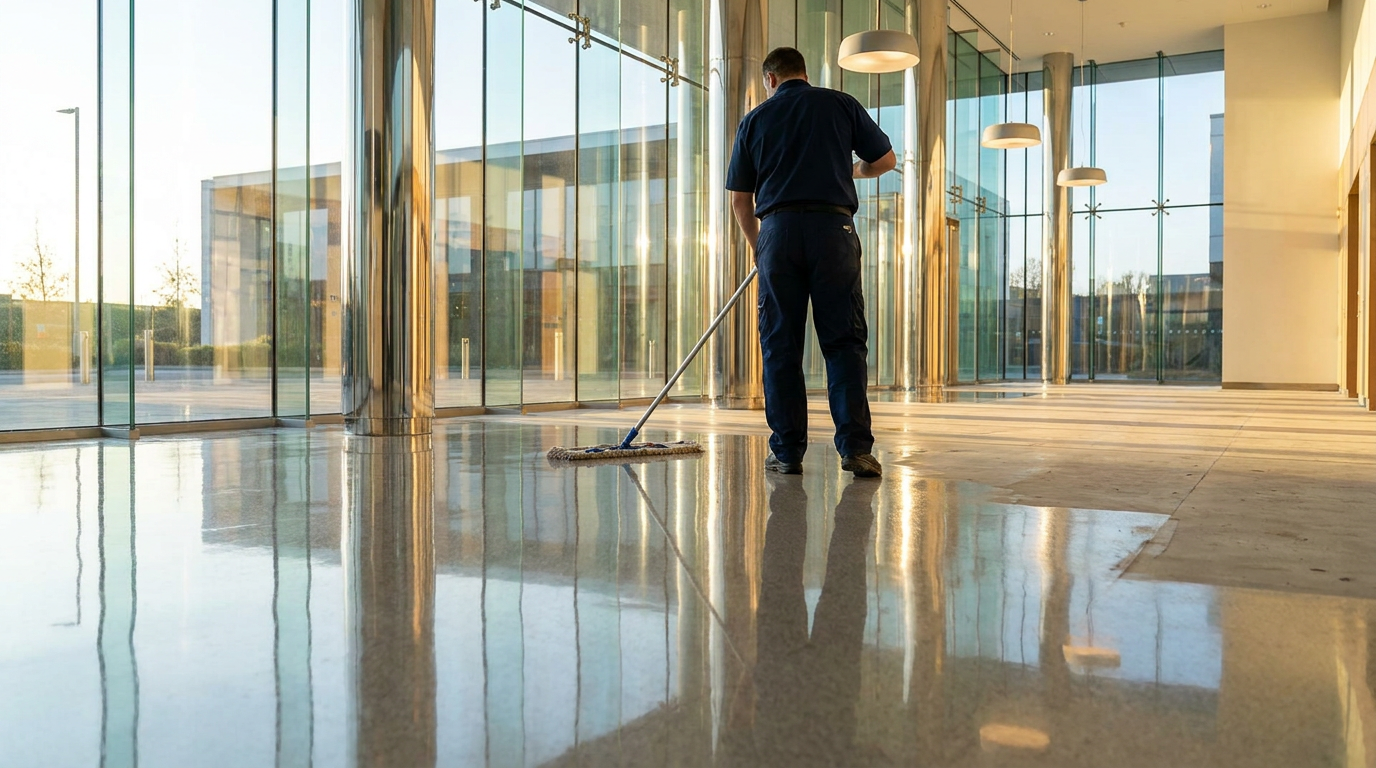
Commercial floor finish lifespan extends 40-60% longer when facilities implement proper maintenance schedules, use correct cleaning chemistry, and apply protective coatings at optimal intervals. Most VCT and LVT floors require full stripping every 12-18 months, but strategic scrub-and-recoat cycles every 3-4 months can push that timeline to 24-30 months while cutting annual floor care costs by 25-35%.
- Scrub-and-recoat maintenance every 90-120 days extends full strip cycles from 12 months to 24-30 months
- Proper entrance matting captures 80-85% of incoming soil, reducing floor wear by up to 50%
- Using pH-neutral cleaners (pH 7-9) preserves finish integrity; high-alkaline products degrade coatings 3x faster
- Climate control between 65-75°F with 40-50% humidity prevents finish cracking and yellowing
- Annual floor maintenance budgets typically run $0.15-0.45 per square foot for proactive programs
Understanding Floor Finish Degradation: Why Floors Fail Prematurely
Floor finish degradation follows predictable patterns based on traffic volume, cleaning methods, and environmental conditions. According to Creative Maintenance research, commercial floors in high-traffic areas lose 15-20% of their protective finish every 60-90 days without intervention. Understanding these degradation factors helps facility managers develop targeted prevention strategies.
The primary causes of premature floor finish failure include abrasive soil accumulation, incorrect cleaning chemistry, inadequate curing time between coats, and environmental stress from humidity fluctuations. Healthcare facilities, retail spaces, and educational institutions experience accelerated wear due to rolling traffic from carts, wheelchairs, and equipment.
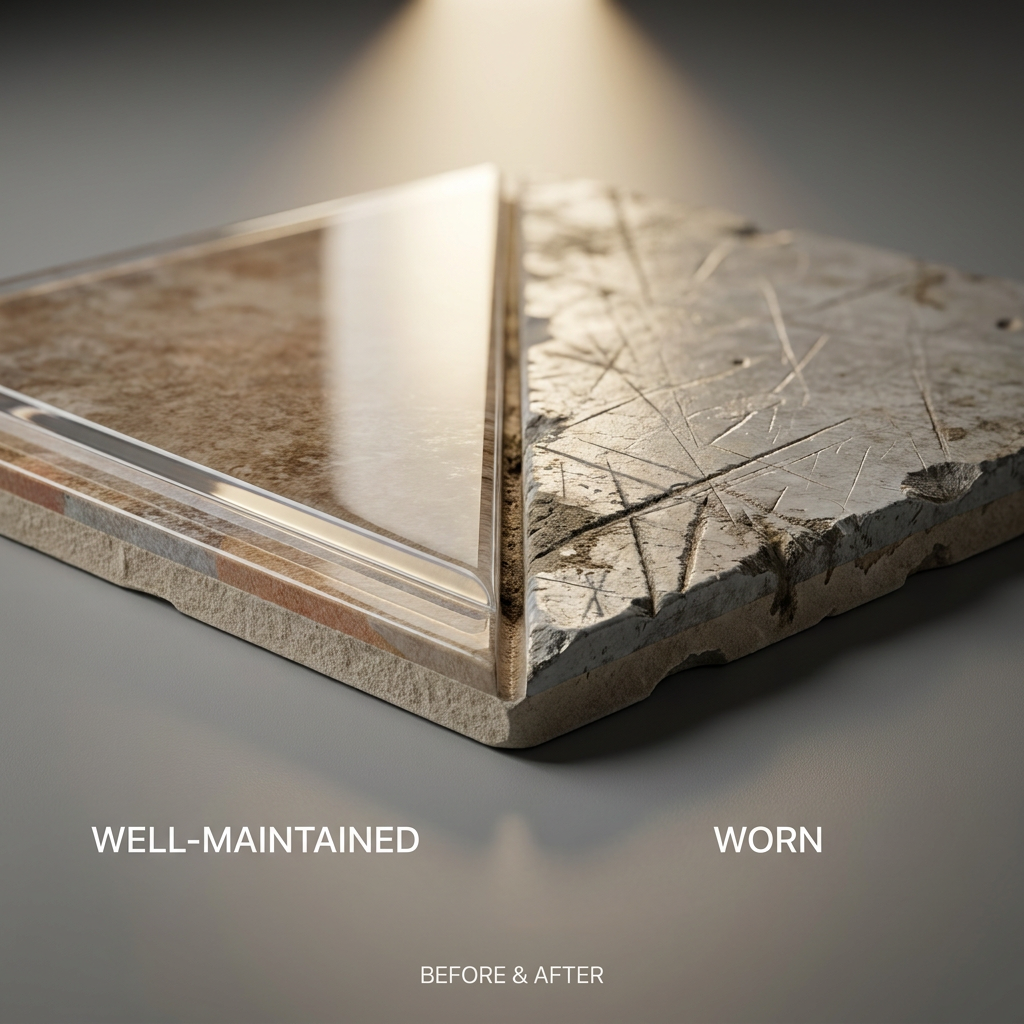
Floor finish acts as a sacrificial layer protecting the underlying flooring material. When this barrier breaks down, moisture penetrates VCT and LVT surfaces, causing adhesive failure, tile lifting, and permanent discoloration. Replacement costs for commercial flooring range from $3-12 per square foot installed, making finish preservation significantly more economical than premature replacement.
Traffic Pattern Impact on Floor Wear
High-traffic corridors experience 5-8x more finish degradation than low-traffic areas within the same facility. Entry points, checkout lanes, and main hallways require targeted maintenance schedules separate from general floor areas. The International Sanitary Supply Association (ISSA) recommends zone-based cleaning protocols that match maintenance intensity to actual traffic volume.
Facilities tracking foot traffic data can optimize maintenance spending by concentrating resources where degradation occurs fastest. A 50,000 square foot office building might allocate 60% of floor care budget to the 15% of space receiving heaviest use. This strategic approach reduces overall costs while maintaining consistent appearance throughout the facility.
The Economics of Floor Maintenance: Fixed vs. Variable Costs
Floor maintenance expenses divide into fixed costs (equipment depreciation, scheduled service contracts) and variable costs (chemistry consumption, emergency repairs, labor for unplanned work). Understanding this distinction helps facility managers budget accurately and identify cost reduction opportunities. According to Carlson Building Maintenance, proactive maintenance programs reduce total floor care spending by 20-40% compared to reactive approaches.
Variable costs examples in floor maintenance include cleaning chemical consumption, replacement pads and brushes, overtime labor for emergency buffing, and unscheduled strip-and-wax services. These expenses fluctuate based on traffic patterns, weather conditions, and building occupancy. Tracking variable costs monthly reveals patterns that inform preventive scheduling.
| Cost Category | Fixed or Variable | Typical Annual Range (per sq ft) | Cost Control Strategy |
|---|---|---|---|
| Scheduled strip and wax | Fixed | $0.85-1.20 | Extend cycles with interim maintenance |
| Daily cleaning labor | Fixed | $0.08-0.15 | Optimize routes and equipment |
| Cleaning chemistry | Variable | $0.02-0.06 | Proper dilution ratios |
| Emergency repairs | Variable | $0.05-0.20 | Preventive maintenance programs |
| Scrub and recoat cycles | Fixed | $0.25-0.45 | Schedule based on traffic data |
Calculating True Maintenance Cost Per Square Foot
The maintenance cost formula for commercial floors combines labor, materials, equipment depreciation, and overhead: Total Annual Cost = (Labor Hours x Rate) + Chemistry + Equipment Depreciation + Contractor Services. For a 25,000 square foot facility, annual floor maintenance typically ranges from $3,750 to $11,250, or $0.15-0.45 per square foot.
Facilities using a maintenance cost calculator can project expenses based on floor type, traffic intensity, and service frequency. Healthcare facilities typically budget 30-40% higher than standard office spaces due to infection control requirements and 24/7 operations. Retail environments with extended hours and heavy cart traffic fall between these benchmarks.
Seven Proven Strategies to Extend Floor Finish Lifespan
Implementing these evidence-based strategies reduces annual floor maintenance costs while extending finish longevity. Each approach addresses specific degradation factors identified through industry research and field testing across thousands of commercial facilities.
1. Install Proper Entrance Matting Systems
Entrance matting represents the highest-ROI investment in floor protection. A properly designed matting system captures 80-85% of incoming soil within the first 12-15 feet of entry. The ISSA Cleaning Industry Management Standard (CIMS) recommends minimum 15 feet of matting at primary entrances, with scraper mats outside, absorption mats inside, and finishing mats in the transition zone.
Quality commercial matting costs $15-40 per square foot installed but prevents $2-5 per square foot in annual floor damage. South Florida facilities face additional challenges from sand, salt air, and frequent rain, making robust matting systems essential. Replace matting when backing deteriorates or pile height drops below 50% of original specifications.
2. Implement Zone-Based Cleaning Protocols
Not all floor areas require identical maintenance intensity. Zone-based protocols match cleaning frequency and methods to actual wear patterns. High-traffic zones (entries, corridors, break rooms) need daily dust mopping and weekly scrubbing. Medium-traffic zones (private offices, conference rooms) require dust mopping 3x weekly. Low-traffic zones (storage, mechanical rooms) need weekly attention only.
This approach reduces labor costs by 15-25% while improving outcomes in high-wear areas. Facilities implementing zone-based cleaning report 30% longer intervals between full strip-and-wax services. Document zone assignments and cleaning frequencies in written protocols for consistency across shifts and staff changes.
3. Use Correct Cleaning Chemistry and Dilution Ratios
Cleaning chemistry selection directly impacts finish longevity. pH-neutral cleaners (pH 7-9) preserve floor finish integrity, while high-alkaline products (pH 10+) strip protective coatings with each application. According to BAF Corporation research, using the wrong cleaner can reduce finish lifespan by 40-60%.
Automatic dilution systems ensure consistent chemical concentration, eliminating the variability of manual mixing. Over-concentration wastes product and leaves residue that attracts soil. Under-concentration fails to clean effectively, requiring additional passes. Proper dilution typically runs 2-4 ounces per gallon for neutral cleaners and 4-8 ounces for heavy-duty degreasers.
4. Schedule Strategic Scrub-and-Recoat Cycles
Scrub-and-recoat maintenance removes the top layer of worn finish and soil, then applies 1-2 fresh coats without full stripping. This interim service costs 40-60% less than complete strip-and-wax while restoring 80-90% of original appearance. Professional commercial floor scrubbing and waxing services typically complete this process overnight, minimizing business disruption.
Optimal scrub-and-recoat frequency depends on traffic volume: every 60-90 days for high-traffic retail, every 90-120 days for standard offices, and every 120-180 days for low-traffic professional spaces. Facilities following this schedule extend full strip cycles from annual to every 24-30 months, reducing lifetime floor care costs by 25-35%.
5. Control Environmental Conditions
Temperature and humidity fluctuations cause floor finish to expand, contract, crack, and yellow prematurely. Maintain facility temperatures between 65-75°F with relative humidity at 40-50% for optimal finish performance. South Florida's subtropical climate presents particular challenges, with outdoor humidity regularly exceeding 80%.
HVAC systems should run continuously during and after floor finishing to ensure proper curing. Floor finish requires 8-12 hours at 65°F minimum to cure properly. Applying finish when temperatures drop below 55°F or humidity exceeds 80% causes milky appearance, poor adhesion, and premature failure. Professional commercial air duct cleaning improves HVAC efficiency and helps maintain consistent environmental conditions.
6. Address Spills and Damage Immediately
Prompt spill response prevents permanent staining and finish degradation. Acidic substances (coffee, citrus, vinegar) etch floor finish within 15-30 minutes of contact. Alkaline materials (ammonia, bleach, some sanitizers) strip finish on contact. Train staff to blot spills immediately with clean water and neutral cleaner, never using abrasive pads or harsh chemicals.
Establish clear spill response protocols with supplies positioned throughout the facility. A basic spill kit includes absorbent materials, neutral cleaner, clean cloths, and wet floor signage. Document all spill incidents to identify problem areas requiring additional matting or protective measures.
7. Invest in Professional Deep Cleaning Services
Professional deep cleaning removes embedded soil that daily maintenance cannot address. Auto-scrubbers with appropriate pad pressure and chemistry extract contaminants from floor pores, restoring traction and appearance. Commercial floor deep cleaning services should occur quarterly for high-traffic areas and semi-annually for standard spaces.
Deep cleaning differs from routine maintenance in equipment power, chemistry concentration, and technique. Professional crews use 175-350 RPM floor machines with aggressive pads, compared to daily cleaning equipment operating at 150-175 RPM with soft pads. This intensive process removes 90-95% of embedded soil versus 60-70% from routine cleaning.
Floor Type-Specific Maintenance Requirements
Different flooring materials require tailored maintenance approaches. Using incorrect products or methods on specific floor types accelerates degradation and voids manufacturer warranties. The following guidelines address the most common commercial flooring materials in South Florida facilities.
VCT and LVT Floor Maintenance
Vinyl composition tile (VCT) and luxury vinyl tile (LVT) dominate commercial installations due to durability and cost-effectiveness. These floors require 3-5 coats of commercial finish after installation, with maintenance coats added every 3-4 months. Professional commercial floor stripping and waxing removes accumulated finish buildup and restores uniform appearance.
VCT tolerates more aggressive maintenance than LVT. Use 175-350 RPM equipment on VCT but limit LVT to 175 RPM maximum to prevent surface damage. LVT's wear layer is typically 12-28 mils thick; aggressive buffing can penetrate this protective coating. Always verify flooring specifications before selecting maintenance methods.
Marble and Terrazzo Floor Care
Natural stone and terrazzo floors require specialized maintenance distinct from resilient flooring. These materials cannot receive acrylic floor finish; instead, they require honing and polishing to restore appearance. Professional marble and terrazzo polishing uses progressive diamond abrasives to remove etches, scratches, and wear patterns.
Daily maintenance for stone floors uses only pH-neutral cleaners specifically formulated for natural stone. Acidic cleaners (including many bathroom products) etch marble within seconds. Alkaline cleaners damage the polish and leave residue. Stone floors in South Florida lobbies typically require professional restoration every 12-24 months depending on traffic.
Tile and Grout Maintenance
Ceramic and porcelain tile floors present unique challenges due to porous grout lines that harbor soil, bacteria, and moisture. While tile surfaces resist most cleaning chemicals, grout requires careful product selection. Professional commercial tile and grout cleaning uses mechanical agitation and hot water extraction to remove embedded contaminants.
Grout sealer application after deep cleaning prevents future soil penetration. Penetrating sealers last 3-5 years in commercial environments, while topical sealers require annual reapplication. Healthcare facilities and food service areas should schedule grout cleaning quarterly to maintain sanitation standards and prevent bacterial growth.
Maintenance Scheduling: Building Your Annual Plan
Effective floor maintenance requires documented schedules with clear responsibilities and quality benchmarks. The following framework provides a starting point for facilities to customize based on their specific conditions and requirements.
| Task | Frequency | Estimated Cost | Impact on Finish Life |
|---|---|---|---|
| Dust mopping | Daily | $0.01-0.02/sq ft/month | Extends life 20-30% |
| Damp mopping | 2-3x weekly | $0.02-0.04/sq ft/month | Extends life 15-25% |
| Auto-scrubbing | Weekly | $0.03-0.06/sq ft/month | Extends life 25-35% |
| Spray buffing | Monthly | $0.05-0.10/sq ft/service | Extends life 15-20% |
| Scrub and recoat | Quarterly | $0.25-0.45/sq ft/service | Extends life 40-60% |
| Full strip and wax | Every 18-30 months | $0.85-1.20/sq ft/service | Resets finish condition |
Seasonal Considerations for South Florida
Miami-Dade, Broward, and Palm Beach County facilities face unique seasonal challenges affecting floor maintenance. Hurricane season (June through November) brings increased moisture, debris, and potential flooding. Summer months see higher humidity that slows finish curing and promotes mold growth. Winter tourist season increases foot traffic at hospitality and retail locations by 30-50%.
Schedule major floor projects during shoulder seasons (April-May, October-November) when conditions favor proper curing and business disruption is minimized. Increase entrance matting maintenance during rainy season, with daily extraction of absorbed moisture. Consider hurricane preparation protocols that include floor protection measures.
Measuring ROI: Tracking Your Floor Maintenance Investment
Quantifying floor maintenance ROI requires tracking both direct costs and indirect benefits. Direct savings come from extended replacement cycles, reduced emergency repairs, and lower chemical consumption. Indirect benefits include improved appearance scores, reduced slip-and-fall incidents, and better indoor air quality.
Establish baseline measurements before implementing new maintenance programs. Document current floor condition using standardized assessment scales (1-10 rating for gloss, soil level, scratch density). Photograph representative areas monthly under consistent lighting. Track maintenance costs by category and square foot to identify trends and optimization opportunities.
Key Performance Indicators for Floor Programs
Effective floor maintenance programs track these metrics monthly: cost per square foot (target $0.15-0.45 annually), gloss readings (target 60+ on 100-point scale), slip coefficient (target 0.5+ wet), and customer/tenant satisfaction scores. Facilities achieving these benchmarks typically extend floor replacement cycles by 3-5 years.
The repairs and maintenance expenses examples that indicate program success include declining emergency service calls, longer intervals between full strip services, and reduced chemical consumption per square foot. Conversely, rising emergency costs, frequent complaints, and accelerating degradation signal program failures requiring intervention.
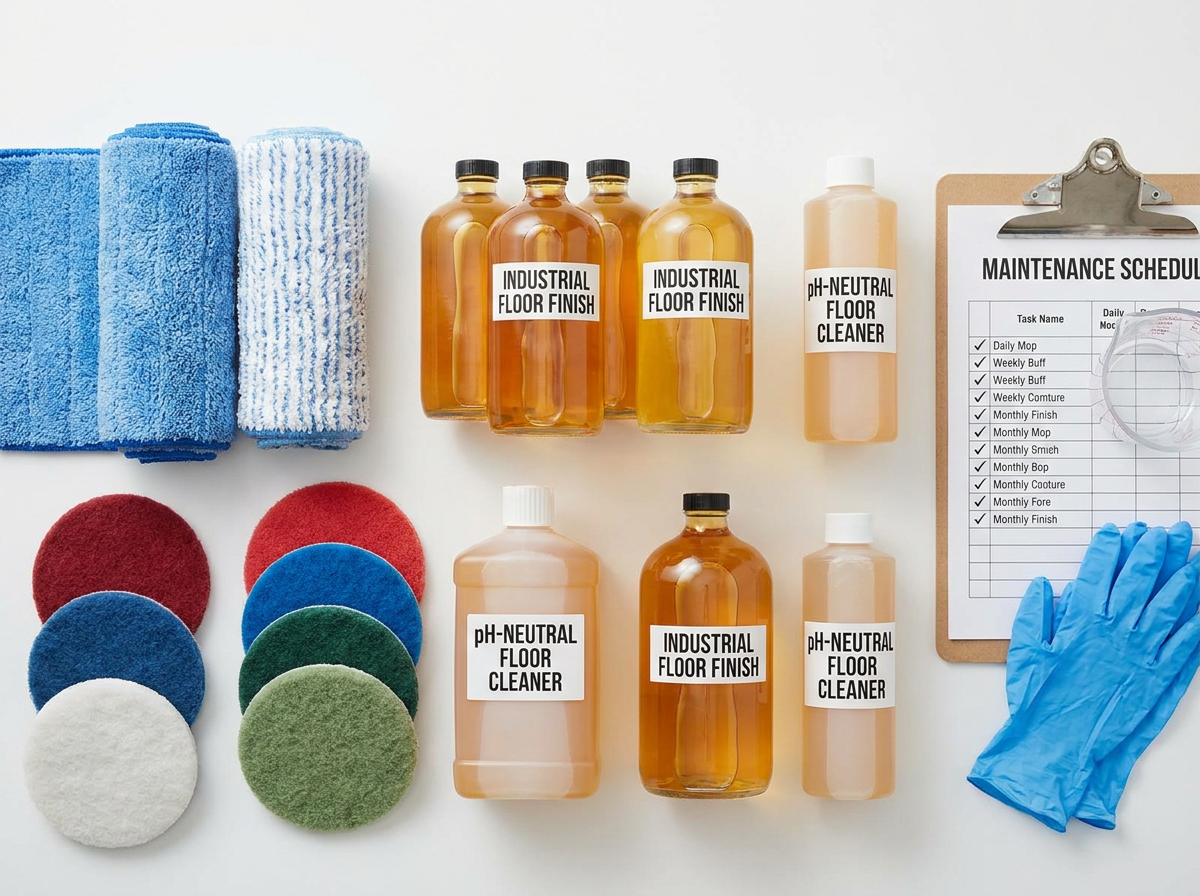
Working with Professional Floor Maintenance Partners
Professional floor maintenance companies bring specialized equipment, trained technicians, and economies of scale that internal programs cannot match. When evaluating potential partners, verify insurance coverage (minimum $1 million general liability), request references from similar facilities, and confirm experience with your specific floor types.
Quality contractors provide detailed scope documents specifying chemistry, equipment, procedures, and expected outcomes. They offer flexible scheduling including after-hours and weekend availability to minimize business disruption. Comprehensive commercial cleaning services integrate floor care with broader facility maintenance for coordinated results.
Questions to Ask Potential Floor Care Providers
Before contracting floor maintenance services, request answers to these questions: What specific products will you use on my floor type? What equipment do your crews operate? How do you train technicians on proper procedures? What quality control measures ensure consistent results? Can you provide certificates of insurance naming my organization as additional insured?
Reputable providers welcome these inquiries and provide detailed responses. They conduct thorough site assessments before quoting, identifying specific challenges and recommending appropriate solutions. Avoid contractors offering generic pricing without understanding your facility's unique requirements.
Frequently Asked Questions
How often should commercial floors be stripped and waxed?
Commercial floors typically require full stripping every 12-18 months under standard conditions. However, implementing quarterly scrub-and-recoat maintenance can extend this interval to 24-30 months. High-traffic retail and healthcare facilities may need more frequent service, while low-traffic professional offices can often stretch intervals further.
Is floor maintenance considered a fixed or variable cost?
Floor maintenance includes both fixed and variable cost components. Scheduled services (strip and wax, scrub and recoat) represent fixed costs that can be budgeted annually. Variable costs include emergency repairs, spill response, and fluctuating chemical consumption. Proactive maintenance programs minimize variable costs by preventing unexpected expenses.
What is the maintenance cost formula for commercial floors?
Calculate annual floor maintenance cost using: Total Cost = (Labor Hours x Hourly Rate) + Chemistry Costs + Equipment Depreciation + Contractor Services. Divide by total square footage for per-square-foot metrics. Most facilities spend $0.15-0.45 per square foot annually on comprehensive floor maintenance programs.
How can I reduce building maintenance costs without sacrificing quality?
Reduce maintenance costs through preventive strategies: install proper entrance matting (prevents 80% of incoming soil), use correct cleaning chemistry (preserves finish integrity), implement zone-based cleaning (matches effort to need), and schedule strategic interim maintenance (extends major service intervals). These approaches typically reduce total floor care spending by 20-35%.
Are repairs and maintenance expenses tax deductible for commercial properties?
Routine floor maintenance expenses (cleaning, waxing, minor repairs) are generally deductible as ordinary business expenses in the year incurred. Major improvements or replacements may require capitalization and depreciation over multiple years. Consult a tax professional for guidance on repairs and maintenance tax deductions specific to your situation.
What causes floor finish to fail prematurely?
Premature floor finish failure results from incorrect cleaning chemistry (high-alkaline products strip finish), inadequate curing time (finish applied in cold or humid conditions), excessive traffic without interim maintenance, and environmental stress (temperature and humidity fluctuations). Addressing these factors extends finish lifespan by 40-60%.
Protect Your Floor Investment with Professional Maintenance
MB Floor Solutions LLC serves 150+ businesses across Miami-Dade, Broward, and Palm Beach Counties with professional floor stripping, waxing, and maintenance services. Request your free on-site assessment to develop a customized floor care program that extends finish lifespan and reduces long-term costs.
Schedule Your Free Assessment