Learn proven flu season cleaning protocols for office buildings. Discover high-touch surface disinfection, cleaning frequency, and outbreak response strategies.
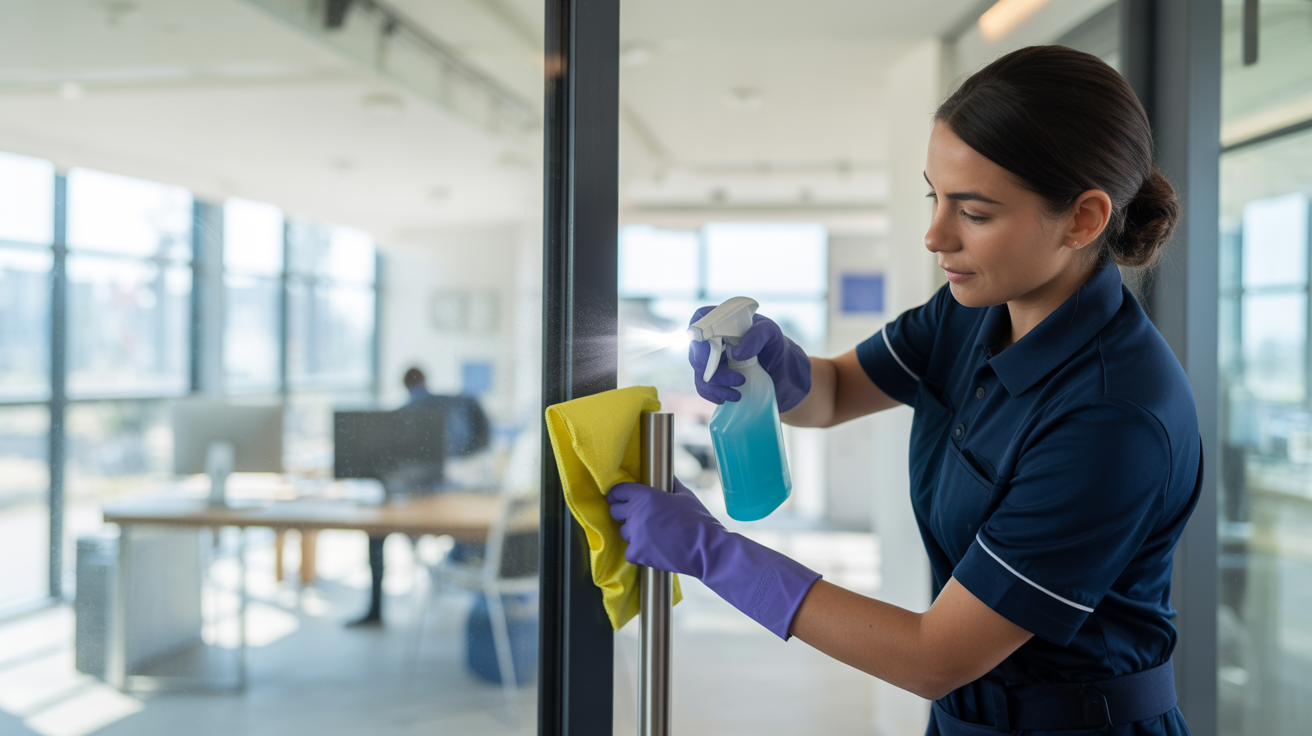
When flu season arrives, office buildings become potential hotspots for viral transmission. With influenza viruses capable of surviving on hard surfaces for up to 48 hours, the stakes for maintaining a clean workplace have never been higher. Hand contact alone spreads approximately 80 percent of common infections, making enhanced cleaning protocols essential for protecting employee health and maintaining productivity.
For facility managers and business owners across South Florida, implementing effective flu season cleaning strategies can reduce absenteeism, boost workplace confidence, and create a healthier environment for everyone. This comprehensive guide covers everything you need to know about handling flu season cleaning in commercial office spaces.
Understanding the Importance of Flu Season Office Cleaning
The connection between workplace cleanliness and employee health becomes particularly critical during flu season, which typically peaks between December and February. Research shows that washing hands immediately after contamination can reduce influenza infection risk by up to 50 percent. However, hand hygiene alone is not enough when viral particles persist on shared surfaces throughout the workday.
A recent survey revealed that 44 percent of people increase surface disinfection during cold and flu seasons to reduce germ spread. This awareness reflects a growing understanding that proactive cleaning directly impacts workplace well-being and operational continuity. When employees feel confident about their workspace cleanliness, they perform better and are more likely to report to work.
Professional commercial cleaning services play a vital role in establishing and maintaining the enhanced protocols necessary during high-risk periods. These services bring specialized knowledge, equipment, and consistency that in-house efforts often cannot match.
What Surfaces Should Be Prioritized During Flu Season?
Not all surfaces carry equal risk for viral transmission. High-touch surfaces require the most attention because they accumulate pathogens from multiple users throughout the day. Prioritizing these areas ensures cleaning efforts deliver maximum impact.
Critical High-Touch Surfaces
- Door handles and push plates: Every person entering or exiting touches these surfaces multiple times daily
- Elevator buttons: Concentrated contact points in multi-story buildings
- Shared kitchen appliances: Refrigerator handles, microwave buttons, coffee machine controls, and faucets
- Restroom fixtures: Faucet handles, toilet flush levers, paper towel dispensers, and door handles
- Meeting room equipment: Conference phones, remote controls, light switches, and shared writing surfaces
- Reception areas: Sign-in tablets, pens, and counter surfaces
- Stairwell railings: Often overlooked but frequently touched
Workstation Considerations
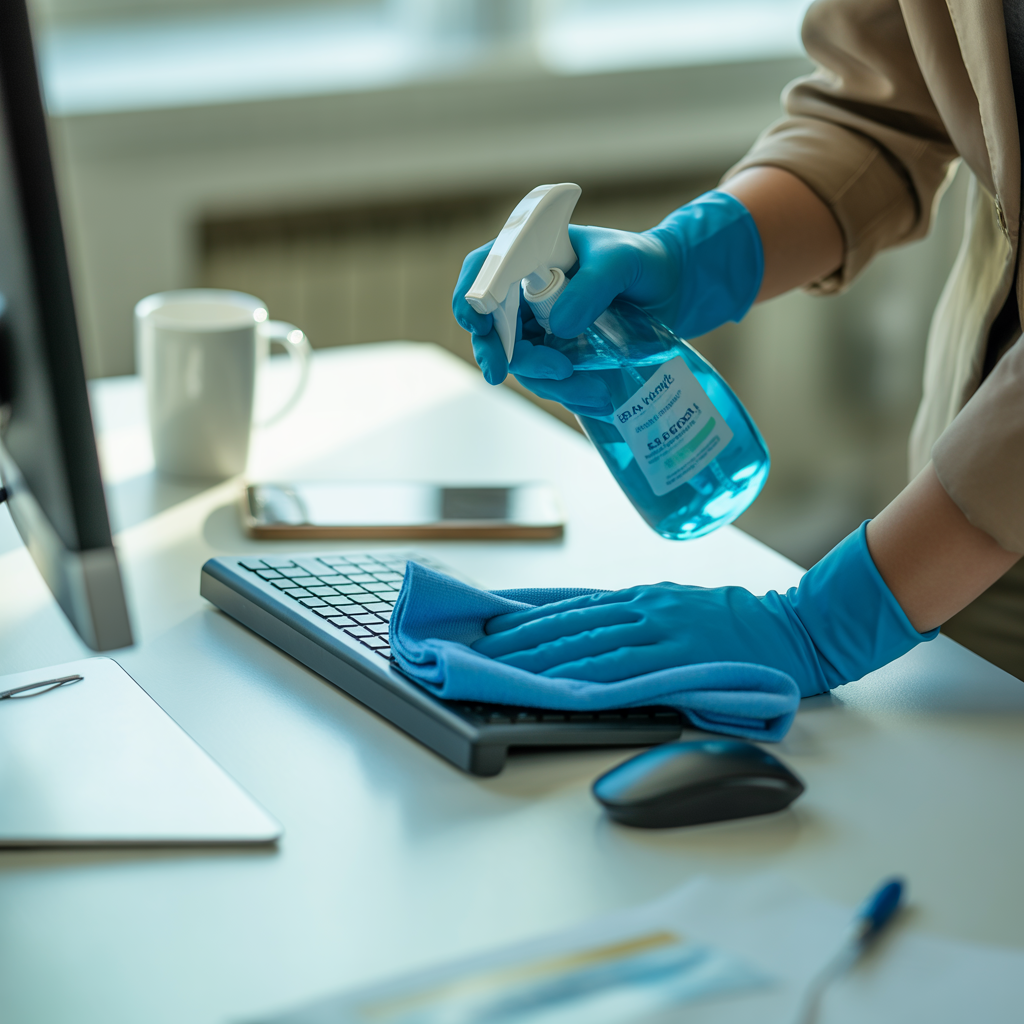
Individual workstations also require attention, particularly keyboards, mice, desk phones, and chair armrests. While employees should maintain their personal spaces, professional cleaning teams can address common areas and provide guidance on proper disinfection techniques.
How Often Should Office Cleaning Occur During Flu Season?
Standard cleaning frequencies are insufficient when influenza circulates actively in the community. Adjusting your cleaning schedule based on risk levels helps balance effectiveness with practicality.
Recommended Cleaning Frequencies
High-touch surfaces: Clean and disinfect at least twice daily during normal flu season activity. Increase to three or four times daily during local outbreaks or when multiple employees report illness.
Restrooms: Increase cleaning from once daily to twice or three times daily, with additional spot checks during peak usage hours.
Common areas: Break rooms, lobbies, and conference rooms should receive thorough cleaning at least once daily, with high-touch surfaces addressed multiple times.
General office areas: Maintain regular cleaning schedules but incorporate enhanced disinfection protocols for shared equipment.
Flexibility in Response
Planning for flexibility in cleaning frequency and scope allows swift response to shifting flu and RSV peak times. Work with your cleaning provider to establish protocols that can scale up quickly when conditions warrant. This adaptability minimizes workplace transmission during unpredictable outbreak patterns.
What Disinfectants Work Best Against Influenza Viruses?
Selecting appropriate disinfectants is crucial for effective flu season cleaning. Not all cleaning products kill viruses, and using the wrong products wastes time and resources while providing false security.
EPA-Registered Disinfectants
Look for products registered with the Environmental Protection Agency that specifically list influenza viruses on their labels. These products have been tested and proven effective against flu strains when used according to directions.
Key Active Ingredients
- Quaternary ammonium compounds: Effective against influenza with relatively low toxicity
- Hydrogen peroxide: Breaks down into water and oxygen, making it environmentally friendly
- Sodium hypochlorite (bleach solutions): Highly effective but requires careful dilution and ventilation
- Alcohol-based solutions (70 percent or higher): Fast-acting for smaller surfaces
Contact Time Matters
Disinfectants require specific contact times to kill viruses effectively. Simply spraying and wiping immediately may not provide adequate protection. Professional cleaning teams understand these requirements and apply products correctly to ensure viral elimination.
When Should You Schedule a Deep Clean for Flu Outbreaks?
Sometimes enhanced daily cleaning is not enough. Certain situations call for comprehensive deep cleaning to restore workplace safety and employee confidence.
Triggers for Deep Cleaning
Multiple confirmed cases: When several employees report flu within a short timeframe, a deep clean helps prevent further spread.
After extended closures: Holiday breaks or weather-related closures provide opportunities for thorough cleaning before employees return.
Visible contamination events: Any situation involving bodily fluids requires immediate professional attention.
Preventive measures: Scheduling deep cleans at the start of flu season establishes a clean baseline.
Advanced Cleaning Methods
Professional deep cleaning during flu season should include specialized methods that reach beyond standard protocols. Electrostatic spraying applies disinfectant evenly across surfaces, including hard-to-reach areas. UV disinfection provides additional viral elimination for high-risk spaces. These methods complement traditional cleaning for comprehensive protection.
Consider how professional floor maintenance contributes to overall facility hygiene. Clean floors reduce the reservoir of pathogens that can become airborne or transfer to hands when people retrieve dropped items.
How Can Office Managers Encourage Proper Hand Hygiene?
Cleaning protocols work best when combined with strong hand hygiene practices among building occupants. Office managers can foster a culture of health through strategic initiatives.
Facility Improvements
Ensure hand hygiene stations are well-stocked and conveniently located. This includes soap dispensers, paper towels, and hand sanitizer stations at building entrances, elevator lobbies, break rooms, and restrooms. Empty dispensers send the wrong message about organizational priorities.
Communication Strategies
Regular communication about cleaning protocols and hygiene expectations cultivates awareness. Share information about enhanced cleaning schedules through email updates, break room signage, and team meetings. When employees understand the efforts being made, they typically respond with increased personal responsibility.
Visible Cleaning Efforts
Scheduling some cleaning activities during business hours demonstrates commitment to workplace health. Seeing cleaning staff actively disinfecting surfaces builds confidence and reinforces hygiene messaging. This visibility proves particularly valuable during high-anxiety periods when flu cases spike locally.
The Role of Air Quality in Flu Prevention
While surface cleaning receives the most attention, indoor air quality significantly impacts viral transmission. Influenza spreads through respiratory droplets that can linger in poorly ventilated spaces.
HVAC Considerations
Building ventilation systems play a crucial role in diluting airborne pathogens. Ensure HVAC systems operate efficiently with clean filters rated appropriately for your space. Consider upgrading to higher-efficiency filters during flu season if your system supports them.
Regular commercial air duct maintenance removes accumulated dust and debris that can harbor pathogens and reduce system efficiency. Clean ductwork supports better air circulation and filtration throughout the building.
Humidity Control
Research suggests that maintaining indoor humidity between 40 and 60 percent can reduce viral survival and transmission. Extremely dry air, common during winter heating season, allows respiratory droplets to remain airborne longer and may compromise natural respiratory defenses.
Creating a Comprehensive Flu Season Cleaning Plan
Effective flu season cleaning requires coordination between facility management, cleaning providers, and building occupants. A written plan ensures consistency and accountability.
Essential Plan Components
- Surface inventory: Document all high-touch surfaces requiring enhanced attention
- Cleaning schedules: Establish baseline and escalated frequencies for different risk levels
- Product specifications: Identify approved disinfectants and proper application methods
- Communication protocols: Define how cleaning updates reach building occupants
- Outbreak response: Outline procedures for rapid escalation when cases increase
- Supply management: Ensure adequate inventory of cleaning products and hand hygiene supplies
Working with Professional Cleaning Services
Partnering with experienced commercial cleaning professionals provides access to expertise, specialized equipment, and reliable execution. Professional teams understand the nuances of effective disinfection and can scale services quickly when conditions change.
Measuring Success and Continuous Improvement
Track outcomes to refine your flu season cleaning approach over time. Monitor employee absenteeism rates, gather feedback about cleaning visibility and effectiveness, and document any outbreak events for future reference.
Building a healthier workplace requires ongoing commitment rather than seasonal reactions. The protocols established during flu season often benefit year-round operations, creating cleaner, more comfortable environments that support employee well-being and organizational success.
By implementing comprehensive cleaning strategies, prioritizing high-touch surfaces, selecting effective disinfectants, and fostering a culture of hygiene awareness, office buildings can significantly reduce flu transmission and maintain productive operations throughout the challenging winter months.
Protect Your Workplace This Flu Season
MB Clean Solutions provides professional commercial cleaning services throughout Miami-Dade, Broward, and Palm Beach counties. Our experienced team delivers enhanced flu season protocols to keep your employees healthy and productive.
Request a Free Consultation