⏱ 13 min read
📄 #2,444 words
Step-by-step commercial carpet stain removal guide for facility managers. Learn first-response protocols, stain-specific methods, and when to call professionals.
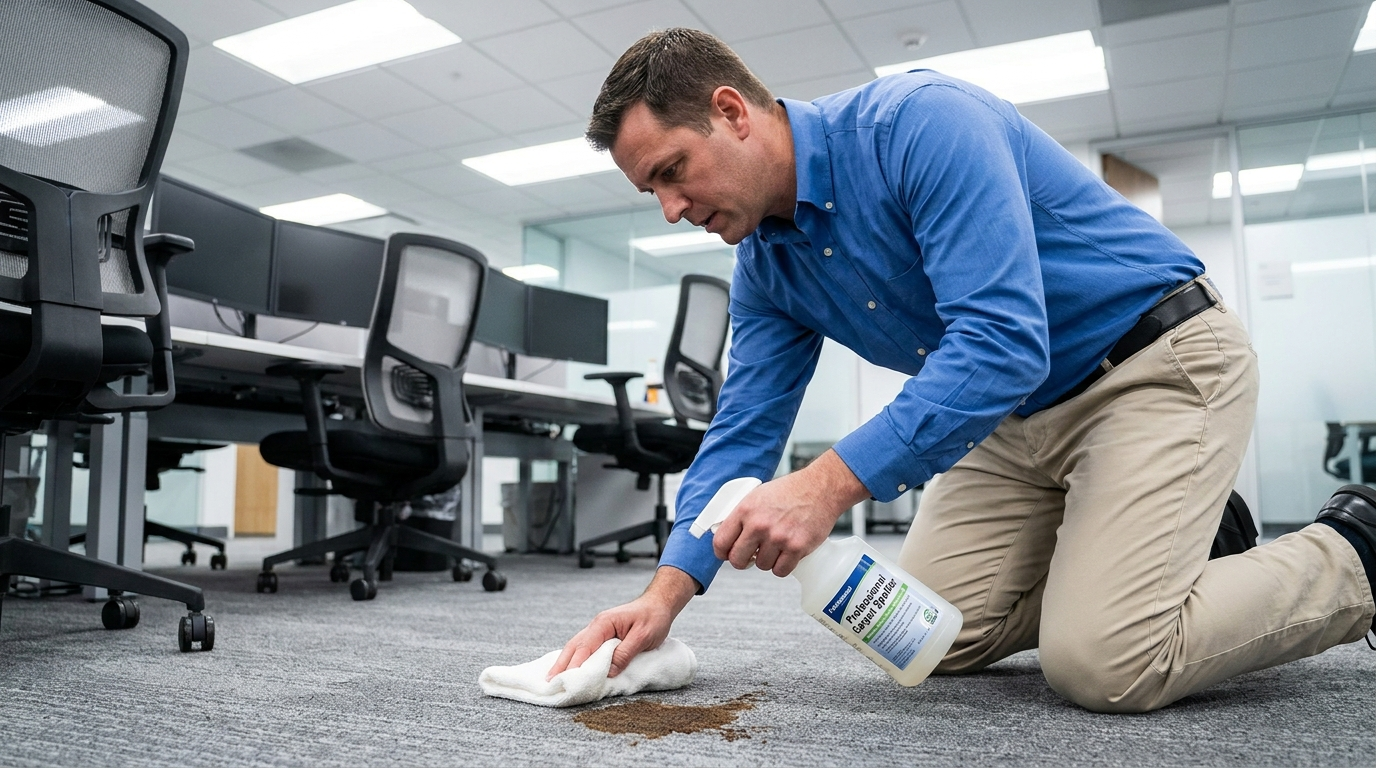
Successful commercial carpet stain removal requires immediate blotting with a clean white cloth, identifying the stain type, applying the correct chemistry, and extracting all residue within 15 minutes of the spill. Waiting longer than 30 minutes allows most stains to bond with carpet fibers, reducing removal success rates by 40 to 60 percent.
Key Points:
- Blot immediately with white cloths; never rub or scrub, which drives stains deeper into fibers
- Match chemistry to stain type: enzymes for organics, oxidizers for tannins, solvents for petroleum
- Extract all cleaning residue; leftover detergent attracts new soil within 24 to 48 hours
- Escalate to professional extraction when stains exceed 12 inches or penetrate carpet backing
- Prevent 70 percent of stains through entrance matting and daily high-traffic vacuuming
First Response Protocol: The Critical 5-Minute Window
The first five minutes after a spill determine whether the stain becomes permanent. According to NYCO Products’ custodian guide, immediate action prevents 80 percent of spills from becoming permanent stains. Your custodial team needs clear protocols and accessible supplies to respond within this window.
Start by blotting, not rubbing. Use a clean white cloth or paper towel and work from the outside edge toward the center. This prevents the stain from spreading into a larger area. Apply firm pressure to absorb liquid before it penetrates the carpet backing.
Remove solid matter first. Use a dull knife or spoon to lift solids without grinding them into fibers. For thick substances like food or mud, let them dry partially before scraping to prevent smearing.
Emergency Supply Kit Requirements
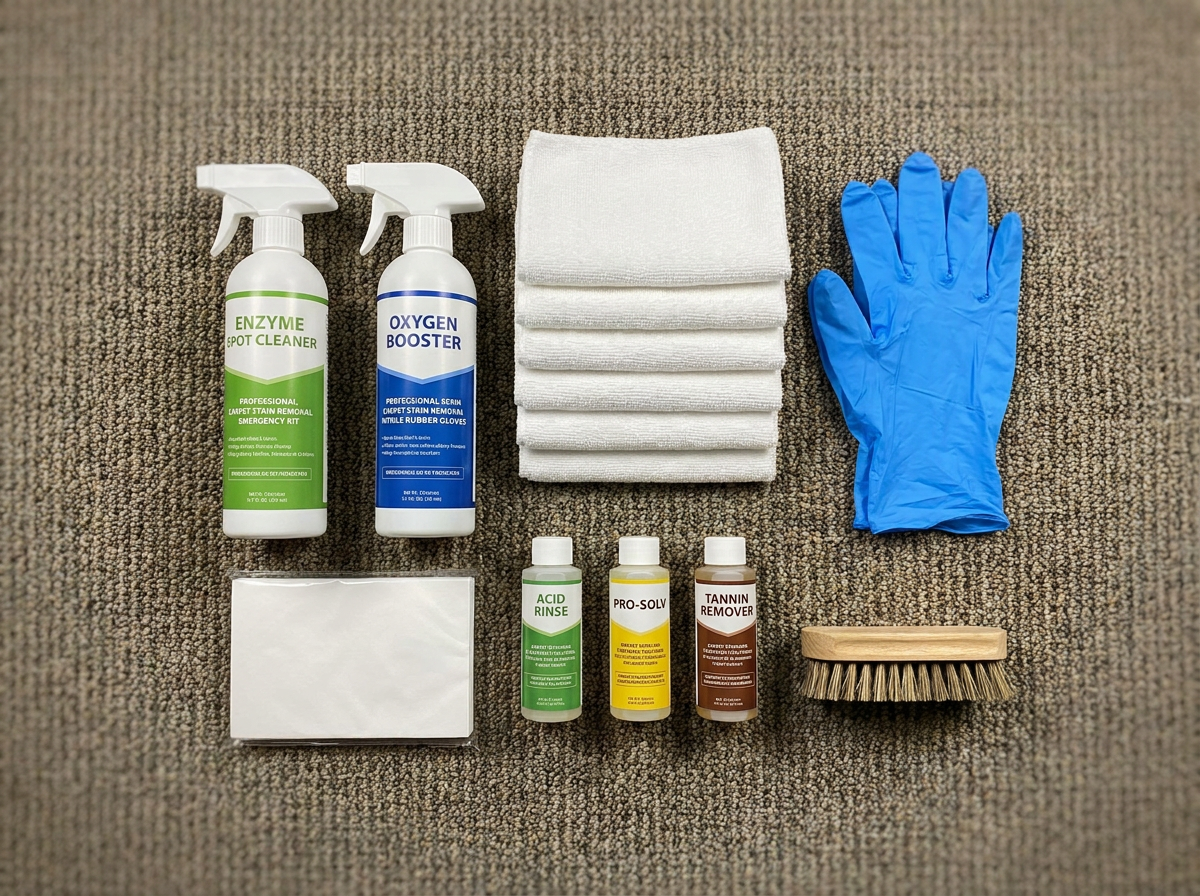
Position stain response kits within 100 feet of all high-traffic areas. Each kit should contain: 12 white cotton cloths, a spray bottle with neutral pH spotter, enzyme cleaner, oxidizing spotter, solvent-based spotter, a plastic scraper, nitrile gloves, and incident log sheets. The Carpet and Rug Institute recommends testing any spotter in an inconspicuous area before full application.
Train all custodial staff on kit locations and basic response procedures. Post laminated quick-reference cards showing the blot-identify-treat-extract sequence. Response time under five minutes requires preparation, not improvisation.
Stain Identification: Matching Chemistry to Contamination
Using the wrong cleaning chemistry can set stains permanently or damage carpet fibers. Monster Janitorial’s chemical matching guide explains that commercial carpet spotters fall into four categories: water-based, enzyme-based, oxidizing, and solvent-based. Each category targets specific stain types.
Identify the stain source before selecting chemistry. Ask witnesses what caused the spill. Check for odor clues: coffee smells acidic, urine has ammonia notes, petroleum products smell oily. Color provides hints: brown suggests tannins, yellow may indicate urine, black often means ink or toner.
| Stain Type | Chemistry Required | Dwell Time | Water Temperature |
|---|---|---|---|
| Coffee, tea, wine | Oxidizing spotter (hydrogen peroxide) | 5 to 10 minutes | Cool to warm (60 to 80°F) |
| Blood, urine, vomit | Enzyme cleaner | 10 to 15 minutes | Cold only (under 70°F) |
| Ink, toner, marker | Solvent-based spotter | 3 to 5 minutes | Room temperature |
| Grease, oil, food fats | Solvent-based spotter | 5 to 8 minutes | Warm (70 to 85°F) |
| Mud, dirt | Neutral pH detergent | Let dry, then vacuum | Cool (60 to 70°F) |
| Sugary drinks, soda | Neutral pH spotter, then enzyme | 5 to 10 minutes | Cool (60 to 70°F) |
| Paint (water-based) | Neutral detergent while wet | Immediate | Warm (70 to 85°F) |
| Paint (oil-based) | Solvent-based spotter | 5 to 10 minutes | Room temperature |
Step-by-Step Removal Methods by Stain Category
Tannin Stains: Coffee, Tea, Wine, and Juice
Tannin stains from coffee, tea, red wine, and fruit juice require oxidizing chemistry. According to Mannington Commercial’s carpet maintenance guide, these stains respond best to hydrogen peroxide-based spotters at 3 to 6 percent concentration. Higher concentrations risk fiber bleaching on solution-dyed nylon.
Blot excess liquid immediately. Apply oxidizing spotter to a white cloth, not directly to the carpet. Work from the outside edge inward using light dabbing motions. Allow 5 to 10 minutes dwell time. Blot with a clean water-dampened cloth to rinse. Extract remaining moisture with dry towels or a wet vacuum.
Coffee stains in South Florida offices present additional challenges due to humidity. The 70 to 90 percent relative humidity common in Miami, Fort Lauderdale, and Palm Beach slows drying time, increasing the risk of wicking. Use air movers to accelerate drying after treatment.
Protein Stains: Blood, Urine, Vomit, and Food
Protein-based stains require enzyme cleaners and cold water only. Hot water denatures proteins, bonding them permanently to carpet fibers. This is the most common mistake facility teams make with biological stains.
For blood stains, blot with cold water first. Apply enzyme cleaner and allow 10 to 15 minutes dwell time. The enzymes break down protein chains, releasing the stain from fibers. Blot and extract with cold water. Repeat if necessary.
Urine stains require enzyme treatment plus odor neutralization. After enzyme treatment, apply an oxidizing odor neutralizer to eliminate ammonia compounds. Healthcare facilities, gyms, and childcare centers encounter these stains frequently and should maintain dedicated enzyme kits.
Petroleum and Solvent Stains: Ink, Grease, and Adhesives
Oil-based stains resist water-based cleaners entirely. Solvent-based spotters dissolve petroleum compounds, allowing extraction. Common sources include printer toner, ballpoint ink, cooking grease, and adhesive residues.
Apply solvent spotter to a white cloth. Blot the stain, rotating to a clean section of cloth frequently. Solvent spotters evaporate quickly, so work in a well-ventilated area. After the stain lifts, follow with neutral pH detergent to remove solvent residue, then extract with clean water.
Ink stains from ballpoint pens require patience. Multiple applications with blotting between each may be necessary. Permanent marker and Sharpie stains often require professional treatment with specialized solvents.
Critical Mistakes That Set Stains Permanently
Facility managers should train staff to avoid these common errors that make stains worse or permanent. Vanguard Cleaning’s stain removal guide identifies scrubbing as the number one mistake, followed by using hot water on protein stains.
Never scrub or rub stains. Scrubbing pushes contamination deeper into the carpet pile and backing. It also damages fiber tips, creating permanent texture changes visible even after stain removal. Always blot with firm downward pressure.
Never use hot water on protein stains. Blood, urine, milk, and egg contain proteins that coagulate when heated. Once cooked into fibers, these stains become nearly impossible to remove without professional intervention.
Never over-wet the carpet. Excessive moisture penetrates the backing and pad, causing mold growth within 24 to 48 hours in humid climates like South Florida. Use the minimum amount of spotter needed and extract thoroughly.
Never skip the rinse step. Detergent residue left in carpet fibers attracts soil rapidly. Within one to two weeks, the treated area will appear dirtier than surrounding carpet. Always extract with clean water after any chemical treatment.
Never use colored cloths or paper towels. Dyes from colored materials can transfer to wet carpet, creating a new stain. Use only white cotton cloths or white paper towels for stain treatment.
When to Escalate to Professional Carpet Cleaning
Some stains exceed in-house capabilities and require professional extraction equipment. Facility managers should establish clear escalation criteria to prevent wasted effort on stains that need specialized treatment.
Stain size exceeds 12 inches in diameter. Large stains require extraction equipment to remove contamination from the carpet backing. Spot treatment alone leaves residue that wicks back to the surface during drying.
Stain has penetrated the backing or pad. If liquid soaked through to the subfloor, surface treatment cannot reach the contamination source. Professional extraction with subsurface tools is required.
Stain is more than 24 hours old. Set stains require more aggressive chemistry and mechanical agitation than spot treatment provides. Professional technicians have access to stronger formulations and hot water extraction equipment.
Multiple treatment attempts have failed. If two properly executed spot treatments fail to improve the stain, additional attempts risk fiber damage. Escalate to professionals who can assess whether the stain is removable or permanent.
Odor persists after visible stain removal. Odor indicates contamination remains in the backing or pad. Professional commercial carpet cleaning with enzyme and oxidizer systems neutralizes odor sources that surface treatment cannot reach.
Preventive Maintenance: Reducing Stain Incidents by 70 Percent
Prevention costs less than remediation. SOLID Surface Care’s facility manager guide reports that proper entrance matting and daily vacuuming prevent up to 70 percent of carpet soiling in commercial facilities.
Entrance Matting Strategy
Install 12 to 15 feet of walk-off matting at every exterior entrance. This length allows 6 to 8 footsteps, which research shows removes 80 percent of tracked-in soil. Use scraper mats outside the door, wiper mats inside, and absorbent mats in the interior transition zone.
Clean entrance mats daily during wet weather and at least twice weekly otherwise. Saturated mats transfer soil rather than capturing it. In South Florida’s rainy season from May through October, daily mat extraction may be necessary.
High-Traffic Vacuuming Schedule
Vacuum high-traffic lanes daily. Entrances, corridors, break rooms, and reception areas accumulate soil fastest. Use commercial upright vacuums with HEPA filtration and beater bars appropriate for the carpet pile height.
Vacuum moderate-traffic areas three times weekly. Private offices and conference rooms used daily fall into this category. Low-traffic areas like storage rooms and seldom-used meeting spaces need weekly vacuuming.
Interim Cleaning Schedule
Schedule interim cleaning every 3 to 6 months for most commercial spaces. High-traffic facilities like medical offices, schools, and retail spaces may need monthly or quarterly interim cleaning. Bonnet cleaning for commercial carpet provides low-moisture maintenance that refreshes appearance without extended dry times.
Healthcare facilities in Miami-Dade, Broward, and Palm Beach counties face additional challenges from humidity and infection control requirements. Quarterly professional cleaning with antimicrobial treatment helps maintain both appearance and hygiene standards.
Documentation and Compliance Requirements
Maintain stain incident logs for warranty compliance and quality tracking. Most commercial carpet warranties require documentation of professional cleaning at specified intervals. Failure to document maintenance can void manufacturer coverage.
Incident Log Requirements
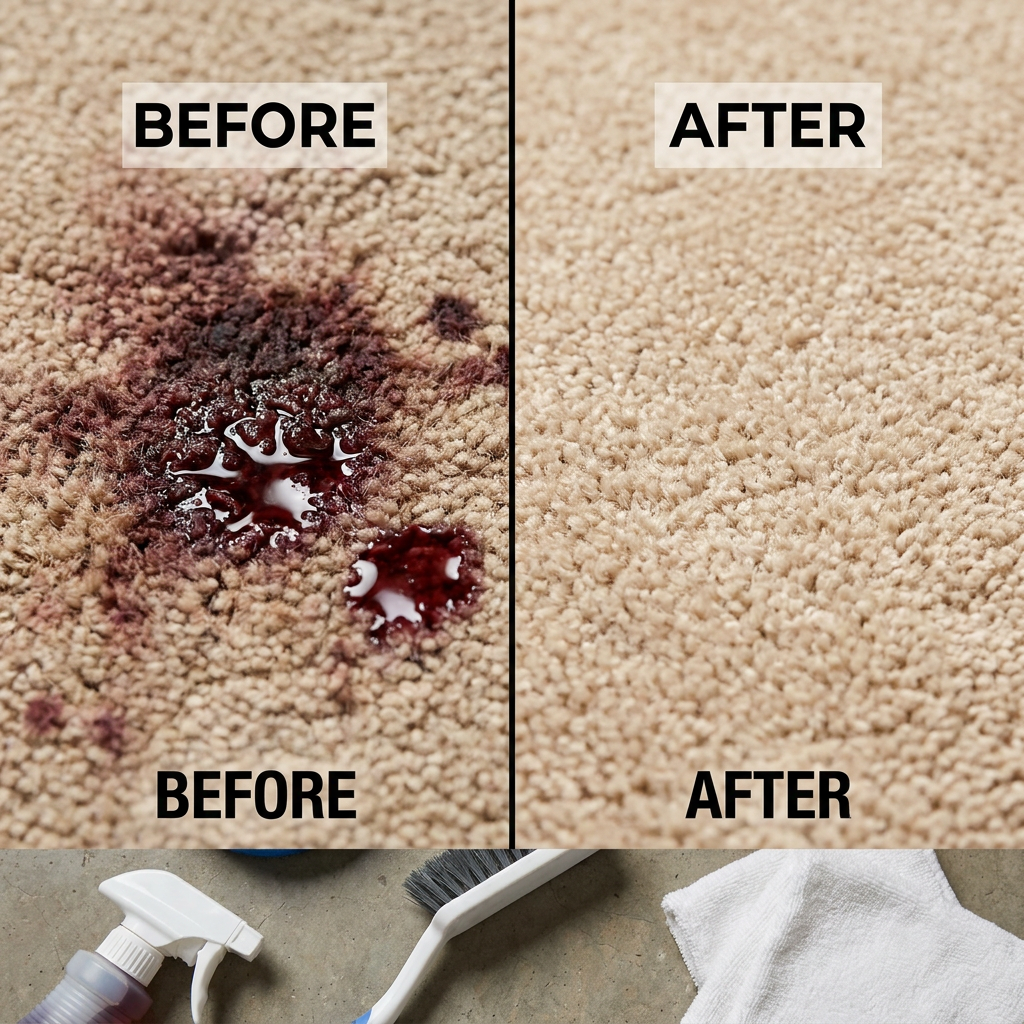
Record the date, time, location, stain type, treatment method, products used, technician name, and outcome for every stain incident. Take before and after photographs. This documentation supports warranty claims and identifies recurring problem areas.
Track stain frequency by location. Patterns reveal opportunities for prevention. If the break room generates 40 percent of stain incidents, consider adding protective mats under coffee stations or relocating trash receptacles.
Cleaning Frequency Documentation
Document all professional cleaning services with dates, methods, and contractor information. Most carpet manufacturers require professional extraction cleaning every 12 to 18 months to maintain warranty coverage. Shaw Industries, Mohawk, and Interface all specify cleaning frequency requirements in their commercial warranty terms.
Create an office cleaning checklist that includes carpet maintenance tasks. Assign responsibility for daily vacuuming, spot treatment, and escalation decisions. Clear accountability prevents stains from being ignored until they become permanent.
South Florida Specific Considerations
Commercial facilities in Miami, Fort Lauderdale, West Palm Beach, and surrounding areas face unique carpet maintenance challenges. High humidity, frequent rain, and year-round air conditioning create conditions that accelerate carpet soiling and complicate stain removal.
Humidity and Drying Time
South Florida’s 70 to 90 percent relative humidity extends carpet drying time significantly. Stains treated in the afternoon may not dry completely before the building closes, allowing wicking overnight. Use air movers and dehumidifiers to accelerate drying, especially during the May through October wet season.
HVAC systems running continuously create temperature differentials that can cause moisture migration in carpet backing. Coordinate with building engineers to maintain consistent temperature and humidity during and after stain treatment.
Sand and Salt Tracking
Coastal facilities from Miami Beach to Palm Beach deal with sand tracking that abrades carpet fibers. Sand particles act like sandpaper under foot traffic, cutting fiber tips and creating permanent wear patterns. Daily vacuuming in entrance areas is essential for coastal properties.
Salt air accelerates carpet fiber degradation in oceanfront buildings. Professional cleaning with fiber protectant application helps maintain carpet appearance and longevity in these harsh environments.
Frequently Asked Questions
How do you remove old stains from commercial carpet?
Old stains require professional treatment in most cases. For stains set longer than 24 hours, apply the appropriate spotter based on stain type, allow extended dwell time of 15 to 20 minutes, and use mechanical agitation with a soft brush before extraction. Multiple treatments may be necessary. If two attempts fail, escalate to professional hot water extraction.
What is the best cleaner for coffee stains on office carpet?
Hydrogen peroxide-based oxidizing spotters at 3 to 6 percent concentration work best for coffee stains. Apply to a white cloth, blot from outside edge inward, allow 5 to 10 minutes dwell time, then extract with clean water. Avoid higher peroxide concentrations that may bleach carpet fibers.
Should facility managers use hot or cold water on carpet stains?
Use cold water for protein stains including blood, urine, milk, and food. Hot water cooks proteins into fibers permanently. Use cool to warm water (60 to 85°F) for most other stains. Check the spotter label for specific temperature recommendations.
How do you stop a carpet stain from wicking back after cleaning?
Wicking occurs when moisture in the backing evaporates upward, carrying dissolved soil to fiber tips. Prevent wicking by extracting thoroughly with a wet vacuum, using air movers to accelerate drying, and avoiding over-wetting during treatment. In humid climates like South Florida, dehumidification may be necessary.
How often should commercial carpets be cleaned in high-traffic areas?
High-traffic areas need daily vacuuming and professional interim cleaning every 1 to 3 months. Full extraction cleaning should occur every 6 to 12 months depending on soil load. Healthcare facilities, schools, and retail spaces typically need more frequent professional cleaning than standard offices.
What stains should never be treated with water first?
Never apply water to oil-based stains including grease, ink, toner, adhesives, and petroleum products. Water spreads these stains without dissolving them. Use solvent-based spotters first, then follow with water-based cleaning to remove solvent residue.
Building a Comprehensive Carpet Care Program
Effective commercial carpet stain removal combines immediate response protocols, proper chemistry selection, thorough extraction, and consistent preventive maintenance. Facility managers who implement these systems reduce carpet replacement costs by extending useful life 3 to 5 years beyond poorly maintained installations.
Document all maintenance activities, train custodial staff on proper techniques, and establish clear escalation criteria for professional intervention. Partner with a commercial cleaning service that understands your facility’s specific needs and can respond quickly when stains exceed in-house capabilities.
For South Florida facilities dealing with humidity challenges, sand tracking, and high-traffic demands, professional carpet maintenance programs provide the expertise and equipment necessary to maintain appearance standards while protecting your flooring investment.
Need Professional Carpet Cleaning in South Florida?
MB Floor Solutions provides commercial carpet cleaning with low-moisture bonnet methods, professional spot treatment, and enzyme odor neutralization across Miami-Dade, Broward, and Palm Beach counties. Request a free on-site assessment today.