Complete office cleaning checklist for facility managers with daily, weekly, and monthly tasks. Includes frequencies, time estimates, and compliance standards.

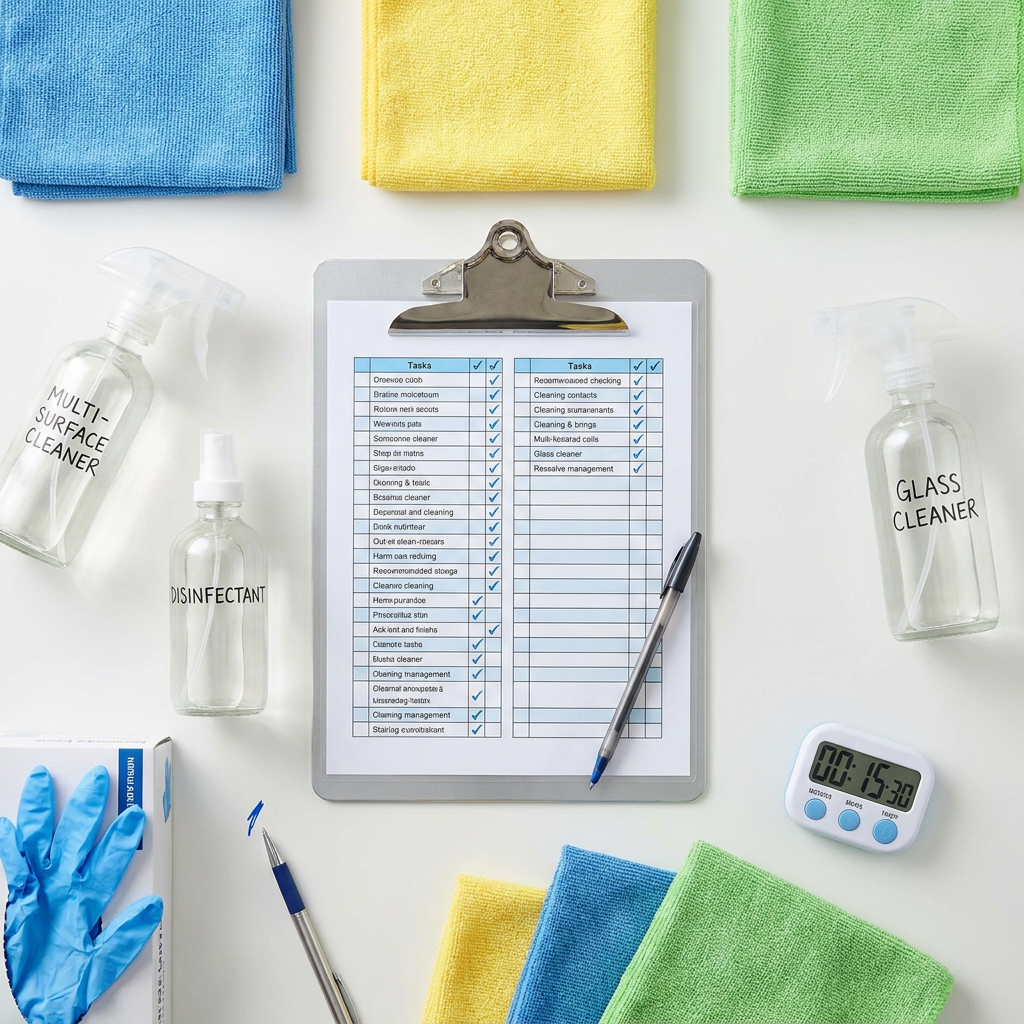
A comprehensive office cleaning checklist divides tasks into daily, weekly, monthly, and quarterly frequencies, covering 47 distinct cleaning points across workstations, restrooms, common areas, and building exteriors. Facility managers using structured checklists reduce cleaning complaints by 34% and extend flooring lifespan by 2 to 5 years through consistent maintenance protocols.
- Daily tasks (15 to 20 items) include trash removal, restroom sanitation, and high-touch surface disinfection
- Weekly deep cleaning adds 8 to 12 tasks: floor mopping, glass cleaning, and kitchen appliance sanitization
- Monthly and quarterly tasks cover HVAC vents, carpet extraction, and floor stripping at $0.80 to $1.20 per square foot
- OSHA and CDC guidelines require documented cleaning frequencies for workplace compliance
- South Florida facilities need 20% more frequent cleaning due to humidity and foot traffic patterns
Why Facility Managers Need a Structured Cleaning Checklist
Structured cleaning checklists eliminate guesswork and ensure consistent results across shifts and staff changes. According to Kimberly-Clark Professional research, offices with documented cleaning protocols experience 46% fewer sick days among employees compared to facilities without standardized procedures.
The International Facility Management Association (IFMA) reports that cleaning accounts for 30% of total facility operating costs. Without proper tracking, facilities waste 15 to 25% of their cleaning budget on redundant tasks or missed areas. A checklist transforms reactive cleaning into proactive maintenance.
For South Florida commercial buildings, humidity levels averaging 75 to 85% accelerate mold growth and floor degradation. Miami-Dade, Broward, and Palm Beach County facilities require adjusted cleaning frequencies to combat these environmental factors. Standard national guidelines often underestimate tropical climate demands.
Daily Office Cleaning Tasks: The Foundation
Daily cleaning forms the backbone of facility hygiene, requiring 2 to 4 hours for a typical 10,000 square foot office. These tasks prevent soil accumulation and maintain baseline sanitation standards required by OSHA workplace guidelines.
Reception and Common Areas
First impressions matter. Reception areas require attention every business day without exception. Vacuum or dust mop all hard surface floors using treated microfiber to capture particulates. Empty all waste receptacles and replace liners with appropriately sized bags.
Wipe entrance door glass inside and out to remove fingerprints and smudges. Clean and disinfect reception desk surfaces, paying attention to phone handsets and shared pens. Spot clean any visible stains on seating upholstery using approved fabric cleaners.
Workstation Cleaning Protocol
Individual workstations harbor 400 times more bacteria than toilet seats according to University of Arizona microbiologist Dr. Charles Gerba. Daily workstation cleaning must address these contamination hotspots systematically.
Disinfect all keyboards, mice, and phone handsets using EPA-registered disinfectants with 60 to 90 second dwell times. Wipe desk surfaces with microfiber cloths dampened with neutral cleaner. Empty individual trash cans and recycling bins at each workstation.
Dust computer monitors with dry microfiber to prevent static buildup. Check chair bases and casters for debris that could damage flooring. Report any damaged furniture or equipment through your maintenance ticketing system.
Restroom Sanitation Requirements
Restrooms demand the most rigorous daily attention, requiring 15 to 25 minutes per fixture set. The CDC recommends cleaning and disinfecting restroom surfaces at least once daily, with high-traffic facilities requiring multiple daily cleanings.
Clean and disinfect all toilets, urinals, and sinks using hospital-grade disinfectants. Refill soap dispensers, paper towel holders, and toilet paper to 75% capacity minimum. Mop floors with disinfectant solution, paying attention to grout lines and corners where bacteria accumulate.
Empty sanitary disposal units and replace liners. Wipe mirrors and chrome fixtures until streak-free. Check and unclog drains as needed. For facilities requiring deeper commercial tile and grout cleaning, schedule monthly or quarterly professional service.
Kitchen and Break Room Standards
Break rooms present unique challenges combining food service, high traffic, and diverse surface types. Daily kitchen cleaning prevents pest attraction and cross-contamination risks.
Wipe all countertops, tables, and appliance exteriors with food-safe sanitizer. Clean microwave interiors daily, removing food splatter and residue. Empty refrigerators of expired items on a designated day, typically Friday. Wash and sanitize sink basins and faucet handles.
Sweep and spot mop floors, addressing spills immediately to prevent slip hazards. Empty all trash and recycling containers. Restock paper products and cleaning supplies for employee use.
| Daily Task | Time Estimate | Frequency | Priority |
|---|---|---|---|
| Trash removal (all areas) | 20 to 30 min | Every shift | Critical |
| Restroom sanitation | 15 to 25 min per set | 1 to 3 times daily | Critical |
| High-touch disinfection | 30 to 45 min | Every shift | Critical |
| Floor dust mopping | 15 to 20 min per 5,000 sq ft | Once daily | High |
| Kitchen wipe-down | 10 to 15 min | Once daily | High |
| Entrance glass cleaning | 5 to 10 min | Once daily | Medium |
Weekly Cleaning Tasks: Deep Maintenance Cycle
Weekly tasks address accumulated soil and wear that daily cleaning cannot fully resolve. These tasks typically require 4 to 8 additional hours per 10,000 square feet and should be scheduled during low-occupancy periods.
Floor Care and Maintenance
Weekly floor maintenance extends surface life and maintains appearance between professional treatments. For VCT, LVT, and commercial vinyl, wet mopping with neutral pH cleaner removes embedded soil that dry methods miss.
Vacuum all carpeted areas thoroughly, including edges and under furniture. Spot treat visible stains using appropriate carpet spotters. For offices with heavy foot traffic, consider commercial carpet cleaning services monthly rather than quarterly.
Inspect hard floors for scratches, scuffs, and finish wear. Document areas needing professional attention such as commercial floor scrubbing and waxing to refresh finish without full stripping. South Florida facilities typically need scrub and recoat services every 60 to 90 days due to sand and debris tracked from exterior areas.
Glass and Window Cleaning
Interior glass partitions, windows, and mirrors require weekly attention to maintain professional appearance. Use streak-free glass cleaner and lint-free microfiber or newspaper for best results.
Clean all interior glass partitions and office windows. Wipe window sills and frames to remove dust accumulation. Address fingerprints on glass doors throughout the facility. Schedule exterior window cleaning monthly or quarterly depending on location and exposure.
Detailed Dusting Protocol
Weekly dusting reaches surfaces skipped during daily maintenance. According to Janitorial Manager industry research, thorough weekly dusting reduces allergen levels by up to 60% compared to daily-only cleaning schedules.
Dust all horizontal surfaces including shelves, cabinets, and ledges. Clean ceiling fan blades and light fixture covers. Wipe baseboards and door frames. Address cobwebs in corners and ceiling areas. Dust blinds and window treatments using appropriate tools.
Monthly Cleaning Tasks: Preventive Maintenance
Monthly tasks prevent long-term degradation and address areas with slower soil accumulation. Budget 8 to 16 hours monthly for a 10,000 square foot facility, or schedule professional services for specialized tasks.
HVAC and Air Quality Maintenance
Indoor air quality directly impacts employee health and productivity. The EPA estimates Americans spend 90% of their time indoors, making air quality maintenance essential for facility managers.
Inspect and replace HVAC filters monthly or per manufacturer specifications. Dust or vacuum supply and return air vents. Check for visible mold or moisture around HVAC components. For comprehensive air quality improvement, schedule professional commercial air duct cleaning annually or biannually.
Document filter changes and vent cleaning in your maintenance log. ASHRAE Standard 62.1 requires minimum ventilation rates and filter efficiency levels for commercial buildings. Compliance documentation protects your facility during inspections.
Deep Kitchen and Appliance Cleaning
Monthly kitchen deep cleaning addresses areas beyond daily maintenance scope. This prevents grease buildup, pest attraction, and equipment degradation.
Deep clean refrigerator interiors, removing all items and sanitizing shelves. Clean coffee maker reservoirs with descaling solution. Degrease range hoods and exhaust fans. Pull appliances from walls to clean behind and beneath. Sanitize ice machines following manufacturer protocols.
Furniture and Upholstery Care
Office furniture accumulates body oils, food particles, and allergens over time. Monthly attention preserves appearance and extends replacement cycles.
Vacuum all upholstered furniture using crevice tools for seams and cushion gaps. Spot clean visible stains on fabric surfaces. Condition leather furniture to prevent cracking. Wipe down all chair arms, bases, and mechanisms. Inspect for damage requiring repair or replacement.
Exterior and Entrance Maintenance
Building exteriors create first impressions and affect interior cleanliness. Monthly exterior attention reduces soil tracked into the facility.
Pressure wash entrance walkways and building perimeter. Clean exterior signage and lighting fixtures. Address parking lot debris and litter. Inspect and clean entrance mats or replace as needed. For comprehensive exterior maintenance, commercial pressure washing services handle sidewalks, storefronts, and parking areas efficiently.
| Monthly Task | DIY Time | Professional Cost | Recommended Approach |
|---|---|---|---|
| HVAC vent cleaning | 2 to 3 hours | $150 to $300 | In-house monthly, professional annually |
| Deep kitchen cleaning | 3 to 4 hours | $200 to $400 | In-house with quarterly professional |
| Upholstery vacuuming | 1 to 2 hours | $100 to $250 | In-house monthly |
| Entrance pressure washing | 2 to 4 hours | $150 to $350 | Professional recommended |
| Light fixture cleaning | 2 to 3 hours | $100 to $200 | In-house with proper equipment |
Quarterly and Annual Cleaning Tasks
Quarterly and annual tasks represent significant maintenance investments that protect long-term facility value. These services typically require professional equipment and expertise beyond in-house capabilities.
Floor Stripping and Refinishing
VCT and commercial vinyl floors require complete stripping and rewaxing every 6 to 12 months depending on traffic levels. This process removes all old finish, embedded soil, and scratches before applying fresh protective coatings.
Professional commercial floor stripping and waxing costs $0.80 to $1.20 per square foot in South Florida markets. The process includes chemical stripping, neutralization, and application of 3 to 5 coats of commercial floor finish. Schedule during extended closures such as holiday weekends for 24 to 48 hour cure times.
Between full strip cycles, quarterly scrub and recoat services maintain appearance at lower cost. This process removes the top layer of worn finish and applies 1 to 2 fresh coats without complete stripping.
Carpet Deep Extraction
Quarterly carpet extraction removes deep-seated soil that vacuuming cannot reach. Hot water extraction or encapsulation methods restore carpet appearance and extend replacement timelines by 3 to 5 years.
Commercial carpet cleaning costs $0.15 to $0.35 per square foot for extraction services. Low-moisture bonnet methods offer faster dry times of 1 to 2 hours, ideal for 24/7 facilities. Schedule extraction after high-traffic seasons or visible soiling accumulation.
Window and Facade Cleaning
Exterior window cleaning requires professional equipment for multi-story buildings. Quarterly exterior cleaning maintains building appearance and allows natural light transmission that improves occupant satisfaction.
Professional window cleaning costs $2 to $7 per pane depending on accessibility and building height. Include pressure washing of building facades, awnings, and canopies in quarterly exterior maintenance schedules.
Specialty Surface Restoration
Marble, terrazzo, and natural stone surfaces require periodic professional restoration to address etching, scratches, and dullness. These materials cannot be maintained with standard cleaning products.
Professional marble and terrazzo polishing uses progressive diamond honing to restore uniform sheen. Costs range from $3 to $8 per square foot depending on condition and desired finish level. Schedule annually or biannually for lobby and high-visibility areas.
Cleaning Frequency Guidelines by Area Type
Different facility areas require different cleaning frequencies based on usage patterns, contamination risk, and visibility. This matrix helps facility managers allocate resources effectively.
| Area Type | Daily Tasks | Weekly Tasks | Monthly Tasks | Quarterly Tasks |
|---|---|---|---|---|
| Restrooms | Full sanitation 1 to 3x | Deep scrub floors | Grout cleaning | Professional tile restoration |
| Reception/Lobby | Dust mop, spot clean | Wet mop, glass clean | Furniture deep clean | Floor refinishing |
| Open Office | Trash, surface disinfect | Vacuum, detailed dust | Chair cleaning | Carpet extraction |
| Break Room | Sanitize surfaces, mop | Appliance exteriors | Deep appliance clean | Hood/exhaust service |
| Conference Rooms | After each use | Full clean | AV equipment detail | Upholstery cleaning |
| Elevators | Button/rail disinfect | Full interior clean | Track cleaning | Professional detail |
High-Touch Surface Disinfection Protocol
High-touch surfaces require the most frequent attention due to pathogen transmission risk. The CDC identifies door handles, light switches, and shared equipment as primary vectors for workplace illness transmission.
Critical High-Touch Points
Door handles and push plates on all interior and exterior doors require disinfection every 2 to 4 hours during occupied periods. Light switches throughout the facility need daily attention minimum. Elevator buttons, both interior and call buttons, demand multiple daily disinfection cycles.
Shared equipment including copiers, printers, and mail sorting areas need disinfection after each use or at minimum twice daily. Stair railings in multi-story buildings require daily wiping. Water fountain buttons and bottle filler sensors need attention with each cleaning round.
Disinfectant Selection and Dwell Time
EPA-registered disinfectants must remain wet on surfaces for specified contact times to achieve claimed efficacy. Most commercial disinfectants require 60 to 120 seconds of dwell time. Quaternary ammonium compounds offer broad-spectrum efficacy with 60 second contact times.
Hydrogen peroxide-based products provide faster kill times of 30 to 60 seconds with lower toxicity profiles. Electrostatic sprayers improve coverage efficiency by 65% compared to manual wiping according to industry testing. Document disinfectant lot numbers and application times for compliance records.
Seasonal Cleaning Adjustments for South Florida
South Florida's subtropical climate creates unique cleaning challenges requiring seasonal protocol adjustments. Humidity, hurricane season, and tourism patterns all affect facility maintenance needs.
Summer Humidity Management (May through October)
Summer humidity averaging 80 to 90% accelerates mold growth and floor finish degradation. Increase HVAC filter changes to every 2 to 3 weeks during peak humidity months. Add dehumidification checks to daily rounds, targeting 45 to 55% indoor relative humidity.
Inspect all HVAC closets, storage areas, and restrooms weekly for mold growth. Address any visible mold within 24 to 48 hours to prevent spread. Consider professional commercial floor deep cleaning monthly rather than quarterly during summer months.
Hurricane Season Preparation (June through November)
Pre-storm preparation and post-storm recovery require specific protocols. Maintain emergency cleaning supplies including wet/dry vacuums, dehumidifiers, and antimicrobial treatments. Document pre-storm facility condition with photographs for insurance purposes.
Post-storm cleaning priorities include water extraction within 24 hours, antimicrobial treatment of affected surfaces, and HVAC inspection before system restart. Professional restoration services may be necessary for significant water intrusion events.
Tourist Season Considerations (November through April)
Increased foot traffic during tourist season accelerates floor wear and soil accumulation. Increase entrance mat maintenance and replacement frequency. Schedule floor refinishing projects for September or October before peak season begins.
Retail, hospitality, and healthcare facilities see 30 to 50% traffic increases during winter months. Adjust cleaning frequencies accordingly, particularly for restrooms and high-traffic corridors.
Documentation and Compliance Requirements
Proper documentation protects facilities during inspections, audits, and liability claims. OSHA requires employers to maintain safe and sanitary workplaces, with cleaning records serving as compliance evidence.
Required Documentation Elements
Maintain daily cleaning logs signed by responsible staff with completion times for each task. Record all chemical products used including manufacturer, dilution ratios, and lot numbers. Document equipment maintenance including vacuum filter changes and auto-scrubber pad replacements.
Keep Safety Data Sheets (SDS) for all cleaning chemicals accessible within 15 seconds per OSHA requirements. Maintain training records for all cleaning staff including bloodborne pathogen training and chemical handling certification. Store records for minimum 3 years or per local regulatory requirements.
Quality Assurance Inspections
Weekly quality inspections using standardized scoring systems identify issues before they become complaints. According to Nilfisk facility management research, facilities conducting weekly inspections report 40% fewer cleaning-related complaints than those inspecting monthly.
Use 10-point scoring systems for each area: 9 to 10 indicates excellent condition, 7 to 8 acceptable, 5 to 6 needs improvement, below 5 requires immediate attention. Document deficiencies with photographs and corrective action plans. Track scores over time to identify recurring issues.
Budgeting and Cost Control Strategies
Effective cleaning programs balance thoroughness with cost efficiency. Understanding cost drivers helps facility managers optimize budgets without sacrificing quality.
Labor Cost Benchmarks
Janitorial labor represents 70 to 80% of total cleaning costs. Industry benchmarks suggest 2,500 to 3,500 cleanable square feet per labor hour for standard office cleaning. High-detail areas like restrooms and kitchens require 1,500 to 2,000 square feet per hour.
South Florida janitorial wages range from $14 to $18 per hour for entry-level positions, $18 to $24 for experienced technicians. Benefits and overhead typically add 25 to 35% to base labor costs. Compare in-house costs against commercial cleaning services pricing of $0.20 to $0.28 per square foot monthly for comprehensive programs.
Supply and Equipment Costs
Cleaning supplies typically cost $0.02 to $0.05 per square foot monthly. Concentrated chemicals reduce costs by 40 to 60% compared to ready-to-use products. Microfiber systems reduce chemical usage by 30% while improving cleaning efficacy.
Equipment investments include commercial vacuums ($300 to $1,500), auto-scrubbers ($2,000 to $15,000), and floor machines ($500 to $3,000). Calculate equipment ROI against rental or contractor costs for occasional-use items like carpet extractors and pressure washers.
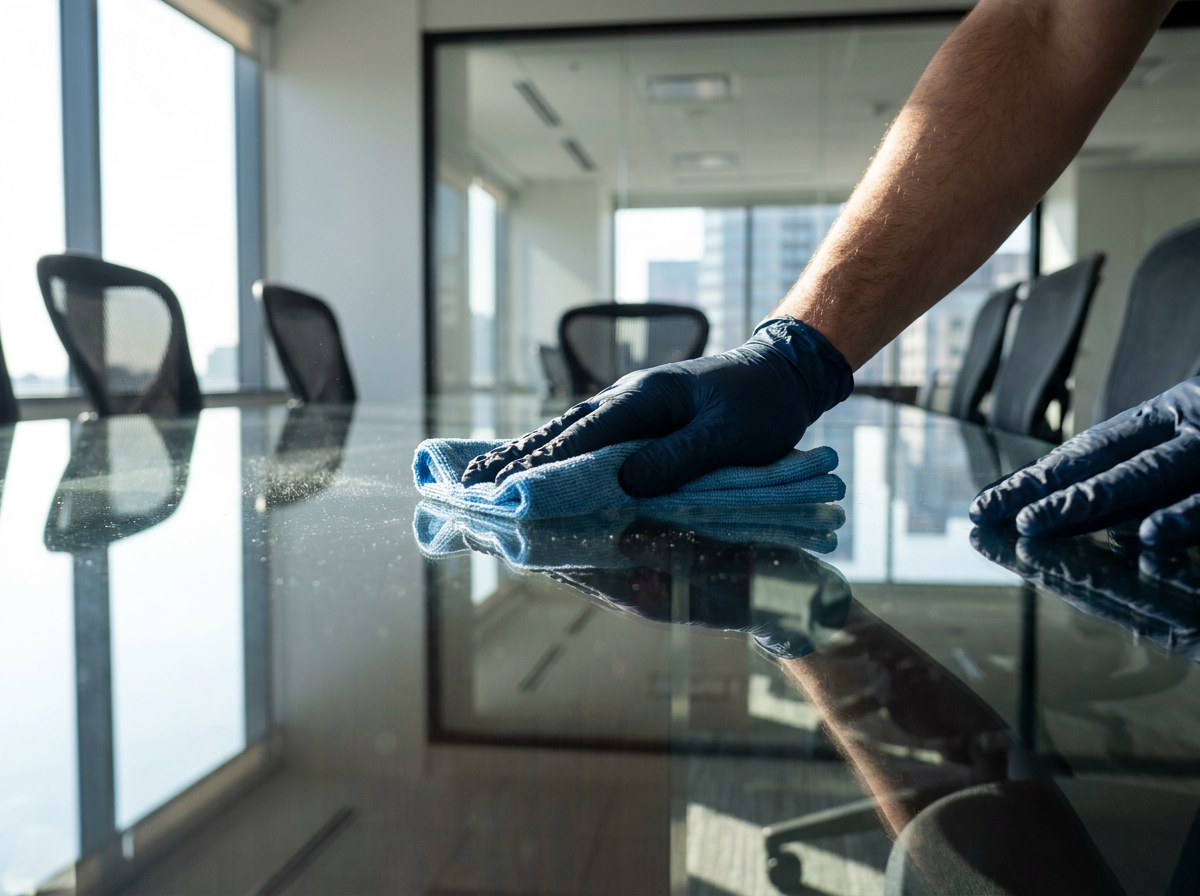
Implementing Your Office Cleaning Checklist
Successful implementation requires clear communication, proper training, and consistent follow-through. Start with a pilot program in one area before facility-wide rollout.
Staff Training Requirements
All cleaning staff need training on chemical safety, equipment operation, and task-specific procedures. OSHA Hazard Communication Standard requires training before employees handle any hazardous chemicals. Document training completion with signed acknowledgments.
Cross-train staff on multiple areas to ensure coverage during absences. Conduct refresher training quarterly and whenever new products or procedures are introduced. Include customer service training for staff interacting with building occupants.
Technology Integration
Digital checklist platforms like Swept, CleanTelligent, and OrangeQC improve accountability and reporting. Mobile apps allow real-time task completion tracking and photo documentation. Automated reporting identifies trends and problem areas faster than manual review.
QR code systems enable occupants to report issues directly to cleaning teams. Sensor-based systems monitor restroom supply levels and traffic patterns for optimized service scheduling. Consider technology investments that reduce labor costs by 10 to 15% while improving service quality.
Vendor Partnership Considerations
Professional cleaning partners bring expertise, equipment, and scalability that in-house programs may lack. When evaluating vendors, verify insurance coverage including general liability ($1 million minimum) and workers compensation. Request references from similar facilities and conduct site visits to current clients.
Contract structures include fixed-price monthly agreements, hourly rates, and hybrid models. Ensure contracts specify scope, frequencies, quality standards, and remediation procedures. Include performance metrics and termination clauses protecting both parties.
For South Florida facilities requiring specialized floor care, healthcare cleaning, or emergency response capabilities, partnering with established commercial cleaning providers ensures access to professional equipment and trained technicians without capital investment.
Need Professional Cleaning Support?
MB Floor Solutions serves 150+ commercial facilities across Miami-Dade, Broward, and Palm Beach Counties with professional floor care, deep cleaning, and facility maintenance services. Request your free on-site assessment today.
Get Your Free Assessment