Learn professional restaurant kitchen deep cleaning procedures that ensure food safety, pass health inspections, and extend equipment life. Step-by-step guide.
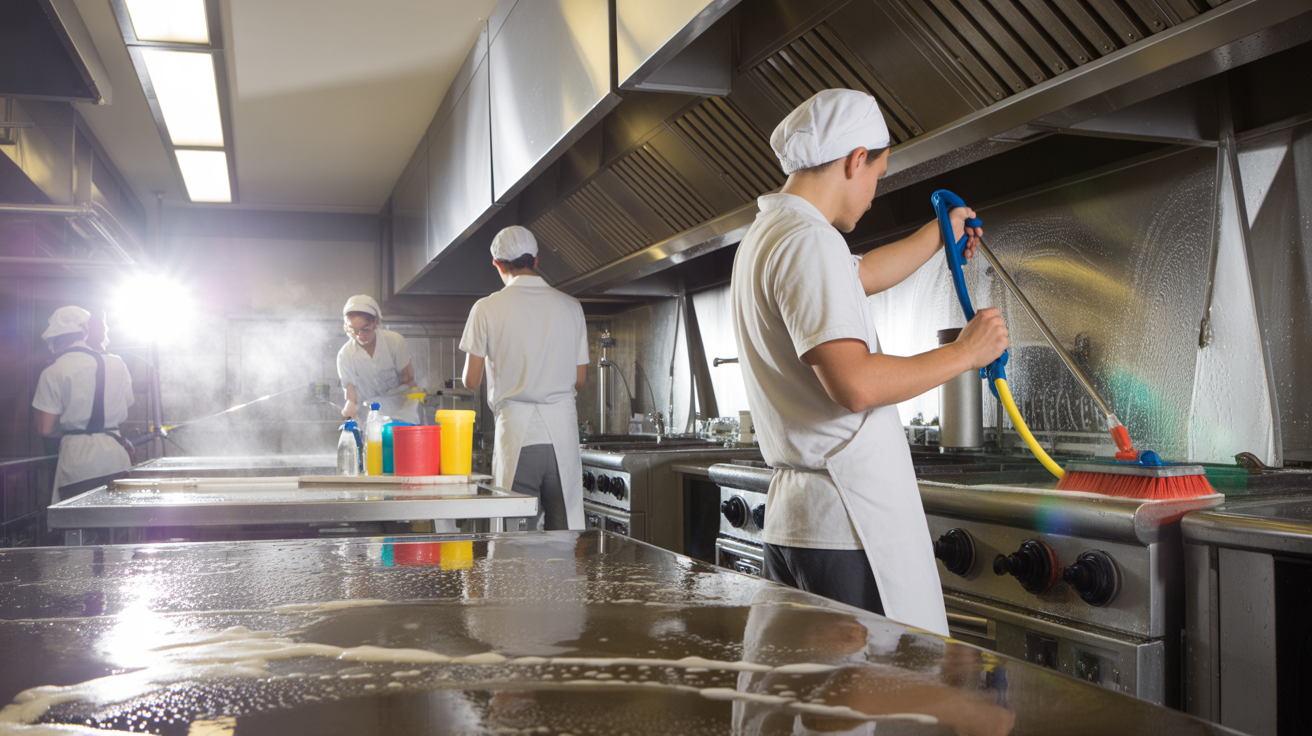
Every restaurant owner understands that daily cleaning keeps operations running smoothly. However, the difference between a kitchen that merely functions and one that consistently passes health inspections lies in systematic deep cleaning procedures. Restaurant kitchen deep cleaning goes far beyond wiping down surfaces; it involves methodical, thorough sanitation of every component, from exhaust hoods to floor drains.
This comprehensive guide covers everything you need to know about implementing professional deep cleaning procedures in your commercial kitchen. Whether you manage a high-volume establishment or a boutique restaurant, these protocols will help you maintain regulatory compliance, protect your customers, and extend the life of your equipment.
Understanding Restaurant Kitchen Deep Cleaning
Deep cleaning in a restaurant kitchen refers to intensive, scheduled cleaning that targets areas and equipment not addressed during routine daily maintenance. While your staff likely cleans cooking surfaces and washes dishes throughout each shift, deep cleaning tackles accumulated grease, hidden bacteria, and hard-to-reach spaces that standard procedures miss.
The FDA identifies unsanitary conditions and improperly maintained equipment among the leading contributors to foodborne illness outbreaks in commercial kitchens. Regular deep cleaning directly addresses these risks by eliminating pathogens that survive ordinary cleaning methods.
Deep Cleaning vs. Daily Cleaning
Daily cleaning maintains basic hygiene standards and keeps your kitchen operational. This includes sanitizing food contact surfaces, cleaning cooking equipment after use, sweeping floors, and washing dishes. These tasks prevent immediate contamination but do not address long-term buildup.
Deep cleaning, by contrast, involves disassembling equipment, cleaning behind and under appliances, degreasing exhaust systems, and scrubbing areas that accumulate residue over time. Think of daily cleaning as maintenance and deep cleaning as restoration.
How Often Should a Restaurant Kitchen Be Deep Cleaned?
The frequency of deep cleaning depends on several factors, including kitchen volume, menu complexity, equipment types, and local health department regulations. Most commercial kitchens benefit from the following schedule:
- Weekly: High-traffic kitchens with extensive frying, grilling, or sauteing operations
- Biweekly: Moderate-volume establishments with standard cooking methods
- Monthly: Lower-volume operations or kitchens with minimal grease-producing cooking
Certain components require more frequent attention. Exhaust hoods and ventilation systems in kitchens that produce significant grease-laden vapors may need professional cleaning quarterly or even monthly. Floor drains should be deep cleaned weekly to prevent bacterial growth and unpleasant odors.
Your local health department likely has specific requirements for cleaning frequencies. Familiarize yourself with these regulations and document your cleaning schedule to demonstrate compliance during inspections.
Essential Areas and Equipment for Deep Cleaning
A thorough deep cleaning addresses every component of your kitchen. The following sections outline specific procedures for each major area.
Cooking Equipment
Your cooking equipment represents the heart of kitchen operations and requires meticulous attention during deep cleaning.
Ovens and Ranges
Remove all racks, burner grates, and removable components. Soak these parts in hot, soapy water while you address the interior. Apply a food-safe degreaser to interior surfaces and allow it to penetrate baked-on residue. Scrub thoroughly with non-abrasive pads, paying special attention to corners and crevices. Clean the exterior, including control knobs and handles, which harbor bacteria from frequent touching.
Fryers
Drain and properly dispose of old oil. Fill the fryer with water and a specialized fryer cleaner, then bring to a boil. This process loosens carbonized buildup on heating elements and interior walls. Drain the cleaning solution, scrub all surfaces, and rinse thoroughly. Clean the exterior and the area beneath the fryer, where oil splatter accumulates.
Flat Top Griddles
Allow the griddle to cool slightly but remain warm. Scrape off food debris and excess grease using a griddle scraper. Apply a griddle-specific cleaning solution and scrub with a griddle pad. Wipe clean and, if your griddle requires it, apply a thin layer of cooking oil to season the surface. Never pour cold water on a hot griddle, as thermal shock can warp or crack the cooking surface.
Grills
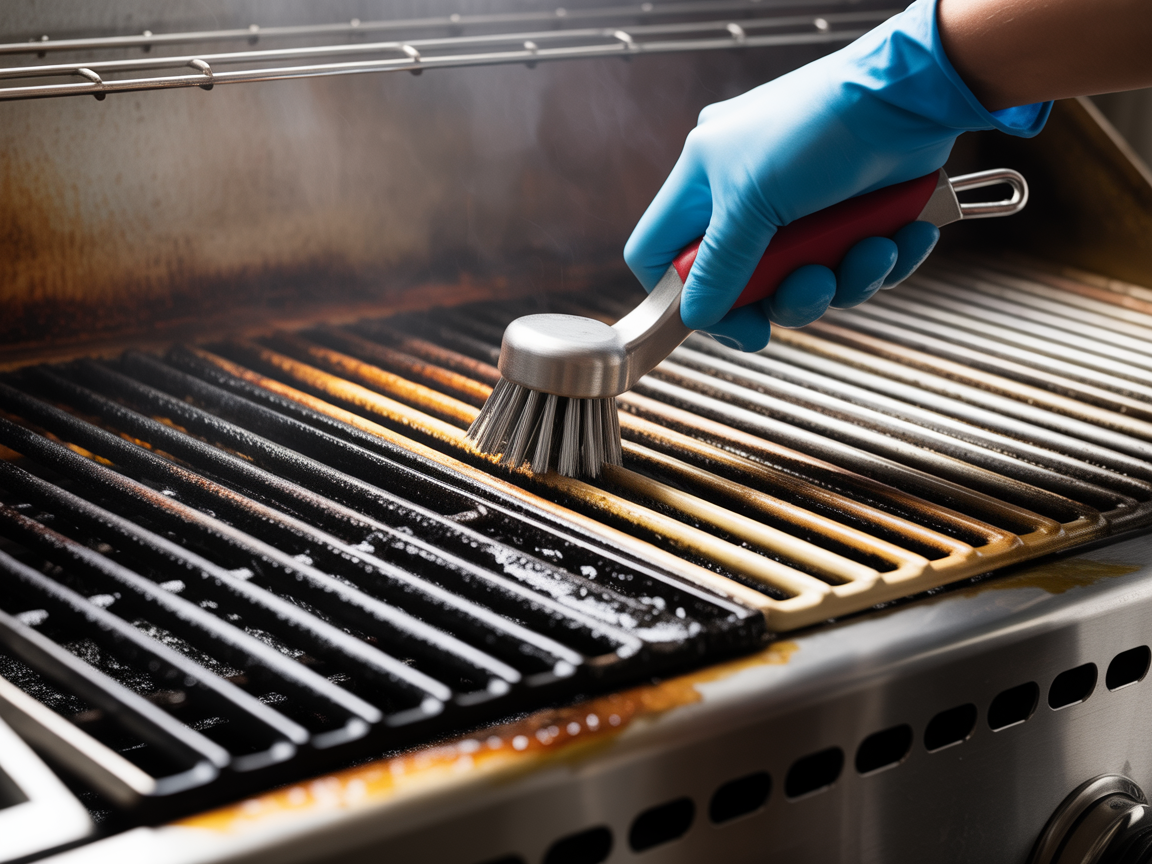
Remove grates and soak in degreaser solution. Clean the interior firebox, removing ash and carbonized debris. Scrub grates thoroughly before replacing them. Clean grease traps and ensure drainage channels are clear.
Refrigeration Units
Refrigerators and freezers require careful deep cleaning to prevent cross-contamination and maintain proper temperatures.
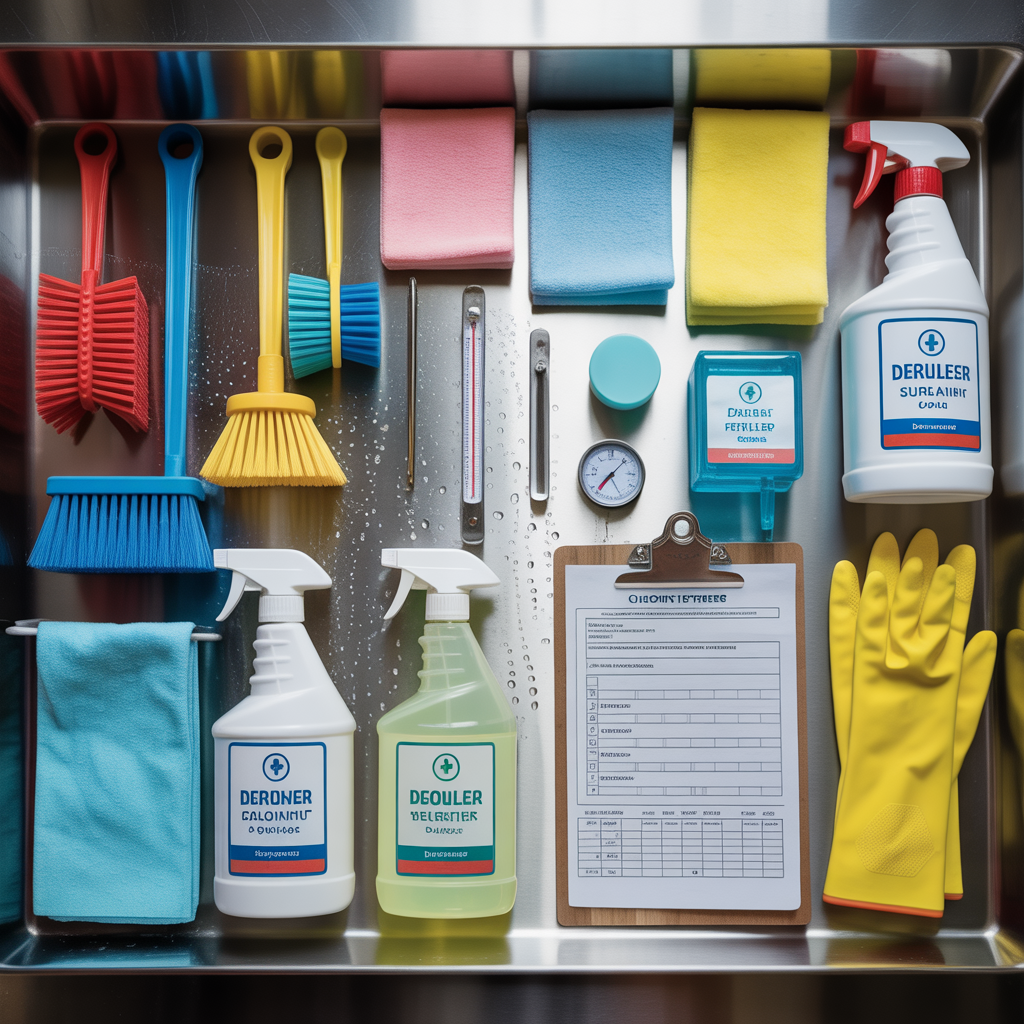
Remove all food items and store them in temporary cold storage. Take out shelves, drawers, and any removable components. Wash these parts in warm, soapy water and sanitize with a food-safe solution. Clean interior walls, ceiling, and floor of the unit with a sanitizing cleaner. Pay special attention to door gaskets, which collect debris and can harbor mold. Wipe down exterior surfaces, including handles and control panels.
Pull units away from walls to clean condenser coils and the floor beneath. Dust and debris on condenser coils reduce efficiency and can lead to equipment failure. Vacuum coils carefully or use a coil cleaning brush.
Exhaust Hoods and Ventilation Systems
Grease-laden exhaust systems pose significant fire hazards and health concerns. Professional cleaning of these systems is often required by fire codes and health regulations.
Remove and clean hood filters weekly as part of routine maintenance. During deep cleaning, degrease the entire hood interior, including the plenum area above the filters. Clean exhaust ducts according to local requirements, which typically mandate professional service at intervals determined by cooking volume.
Ensure all grease traps and collection cups are emptied and cleaned. Check that fire suppression system nozzles are clear and unobstructed.
Floors, Walls, and Ceilings
Kitchen floors endure constant abuse from foot traffic, spills, and dropped food. Deep cleaning involves more than mopping; it requires thorough scrubbing of tile and grout to remove embedded soil and bacteria.
Move all movable equipment to access the entire floor surface. Apply a degreasing floor cleaner and allow it to penetrate. Scrub with a stiff brush or floor machine, paying particular attention to grout lines and corners. Rinse thoroughly and allow to dry completely before replacing equipment.
Walls behind cooking equipment accumulate grease splatter that standard cleaning misses. Degrease these surfaces during deep cleaning, working from top to bottom. Clean ceiling tiles or painted ceilings above cooking areas, which collect airborne grease over time.
Floor Drains
Floor drains are frequently overlooked during routine cleaning but can become sources of bacterial contamination and foul odors. Remove drain covers and clean thoroughly. Use a drain brush to scrub the interior of drain pipes. Flush with hot water and a drain-safe sanitizer. Ensure drain covers are replaced securely to prevent pest entry.
Regular drain maintenance prevents costly plumbing issues and maintains a pleasant kitchen environment. For facilities requiring comprehensive commercial cleaning services, professional drain cleaning should be part of the service package.
Specialized Equipment
Certain equipment requires specific cleaning procedures, often outlined in manufacturer documentation.
Meat Slicers
Disassemble according to manufacturer instructions. Clean all components with hot, soapy water, taking care around the blade. Sanitize all food contact surfaces. Reassemble only when completely dry. Lubricate as specified by the manufacturer.
Ice Machines
Empty the ice bin and discard all ice. Run the manufacturer-recommended cleaning cycle with approved ice machine cleaner. Clean the exterior and the bin interior with sanitizer. Allow the machine to produce several batches of ice before use, discarding the first few batches.
Soft Serve and Beverage Machines
Follow manufacturer disassembly procedures precisely. Clean all components that contact product with appropriate sanitizers. Pay special attention to O-rings and seals, which can harbor bacteria. Reassemble and sanitize the assembled machine before refilling with product.
What Cleaning Products Are Safe for Commercial Kitchen Deep Cleaning?
Selecting appropriate cleaning products is essential for both effectiveness and food safety. Only use cleaners and sanitizers approved for food service environments.
Degreasers
Commercial kitchen degreasers break down grease and oil buildup on cooking equipment and surfaces. Choose products specifically formulated for food service use. Alkaline degreasers work well on heavy grease, while neutral degreasers suit lighter cleaning tasks.
Sanitizers
The EPA registers three main types of sanitizers for food contact surfaces:
- Chlorine-based (bleach) solutions: Effective and economical, typically used at 50-100 ppm concentration
- Quaternary ammonium compounds (quats): Less corrosive than chlorine, effective against a broad spectrum of pathogens
- Iodine-based sanitizers: Effective but may stain surfaces; less commonly used in modern kitchens
Always follow manufacturer instructions for concentration and contact time. Surfaces should air dry after sanitizing; towel drying can reintroduce contaminants.
Specialty Cleaners
Certain equipment requires specialized cleaning products. Griddle cleaners, fryer boil-out compounds, and ice machine cleaners are formulated for specific applications. Using general-purpose cleaners on specialized equipment may be ineffective or damaging.
What Areas Are Most Frequently Missed During Deep Cleaning?
Even thorough cleaning crews sometimes overlook certain areas. Being aware of commonly missed spots helps ensure comprehensive coverage.
Behind and Under Equipment
The spaces behind ranges, refrigerators, and prep tables accumulate debris, grease, and pest attractants. Moving heavy equipment is labor-intensive, but neglecting these areas creates sanitation and pest control problems.
Equipment Legs and Casters
The legs and wheels of equipment collect grime that transfers to floors and hands. Include these components in your deep cleaning checklist.
Light Fixtures and Ceiling Vents
Grease-laden air rises, coating light fixtures and ceiling vents with residue. These areas are easy to overlook but visible to health inspectors.
Door Handles and Switch Plates
High-touch surfaces harbor bacteria but are often missed during cleaning focused on food preparation areas. Include all handles, switches, and control panels in your sanitizing routine.
Shelving and Storage Areas
Dry storage shelving and walk-in cooler racks collect dust and debris. Remove all items periodically to clean shelving surfaces thoroughly.
Can Deep Cleaning Be Done While the Kitchen Is Operational?
Performing deep cleaning during operating hours presents challenges but is sometimes necessary for 24-hour operations or establishments with limited closure times.
Zone cleaning allows you to deep clean one area while others remain operational. This approach requires careful planning to avoid contaminating food preparation areas with cleaning chemicals or debris. Never deep clean cooking equipment while it is in use or immediately adjacent to active food preparation.
Most establishments find that scheduling deep cleaning during closed hours, whether overnight or on slower days, produces better results with less disruption. The concentrated effort possible when the kitchen is empty allows for more thorough work.
For facilities that operate continuously, consider engaging professional commercial cleaning services that specialize in working around operational schedules. Professional crews can complete deep cleaning tasks efficiently, minimizing the time any area is out of service.
Health Code Requirements for Commercial Kitchen Cleaning
Health code requirements vary by jurisdiction, but common standards apply across most regions. Understanding these requirements helps you maintain compliance and avoid violations.
Documentation
Maintain detailed records of all cleaning activities, including dates, areas cleaned, products used, and staff responsible. This documentation demonstrates your commitment to sanitation and provides evidence of compliance during inspections.
Temperature Requirements
While not directly a cleaning requirement, maintaining proper food storage temperatures complements your cleaning efforts. Refrigerators should maintain temperatures at or below 40 degrees Fahrenheit (4 degrees Celsius), and freezers at 0 degrees Fahrenheit (-18 degrees Celsius) or below.
Sanitizer Concentrations
Health inspectors often test sanitizer concentrations during inspections. Maintain test strips appropriate for your sanitizer type and verify concentrations regularly. Document these checks as part of your food safety program.
Exhaust System Cleaning
Fire codes typically mandate professional exhaust system cleaning at intervals based on cooking volume. High-volume operations may require quarterly cleaning, while moderate-volume kitchens might need semi-annual service. Retain certificates from professional cleaning services as proof of compliance.
Implementing an Effective Deep Cleaning Program
Success in restaurant kitchen deep cleaning requires systematic planning and consistent execution.
Create a Master Checklist
Develop a comprehensive checklist that covers every area and piece of equipment in your kitchen. Organize the list by zone or equipment type. Include specific tasks for each item, such as disassembly steps and cleaning products to use.
Establish a Schedule
Based on your operation's volume and local requirements, create a deep cleaning schedule. Assign specific tasks to specific days or weeks. Post the schedule prominently and hold staff accountable for completion.
Train Your Staff
Proper training ensures consistent results and prevents damage to equipment. Train staff on correct cleaning procedures, chemical safety, and documentation requirements. Provide refresher training periodically and whenever new equipment or products are introduced.
Inspect and Verify
Management should verify that deep cleaning tasks are completed properly. Conduct regular inspections using your checklist. Address deficiencies immediately and use them as training opportunities.
Consider Professional Services
For complex tasks like exhaust system cleaning or periodic intensive deep cleaning, professional services often deliver superior results. Professional crews bring specialized equipment and expertise that in-house staff may lack. The investment in professional cleaning can prevent costly equipment repairs, health code violations, and reputation damage.
Facilities that maintain high standards often combine in-house routine cleaning with periodic professional deep cleaning. This approach ensures consistent daily maintenance while benefiting from professional-grade intensive cleaning at regular intervals.
The Benefits of Consistent Deep Cleaning
Investing time and resources in proper deep cleaning procedures delivers measurable benefits for your operation.
Food Safety
Thorough cleaning eliminates pathogens that cause foodborne illness. Protecting your customers protects your business from liability and reputation damage.
Regulatory Compliance
Consistent deep cleaning helps you pass health inspections with confidence. Documented cleaning procedures demonstrate your commitment to food safety.
Equipment Longevity
Grease buildup and debris accumulation cause equipment to work harder and fail sooner. Regular deep cleaning extends equipment life and reduces repair costs.
Workplace Safety
Clean floors reduce slip hazards. Degreased exhaust systems reduce fire risk. A clean kitchen is a safer kitchen for your staff.
Operational Efficiency
Clean equipment operates more efficiently. Ovens heat evenly, refrigerators maintain temperatures with less energy, and cooking surfaces perform as designed.
Conclusion
Restaurant kitchen deep cleaning procedures form the foundation of food safety and operational excellence. By implementing systematic cleaning protocols, training staff properly, and maintaining detailed documentation, you create an environment that protects customers, satisfies regulators, and supports your business success.
Whether you handle deep cleaning in-house or partner with professional cleaning services, consistency and thoroughness are essential. The investment in proper deep cleaning pays dividends in reduced equipment costs, passed inspections, and the confidence that comes from knowing your kitchen meets the highest standards of cleanliness.
Start by assessing your current cleaning procedures against the guidelines in this article. Identify gaps, create comprehensive checklists, and establish a schedule that addresses every area of your kitchen. Your customers, your staff, and your business will benefit from the commitment to excellence that thorough deep cleaning represents.
Need Professional Commercial Kitchen Cleaning?
MB Floor Solutions provides comprehensive commercial cleaning services throughout South Florida. Our professional team delivers the thorough, consistent deep cleaning your facility deserves.
Visit Our Website